Reflecting on the routines needed when you can’t just hop in a car to see family, separated by an ocean in between.
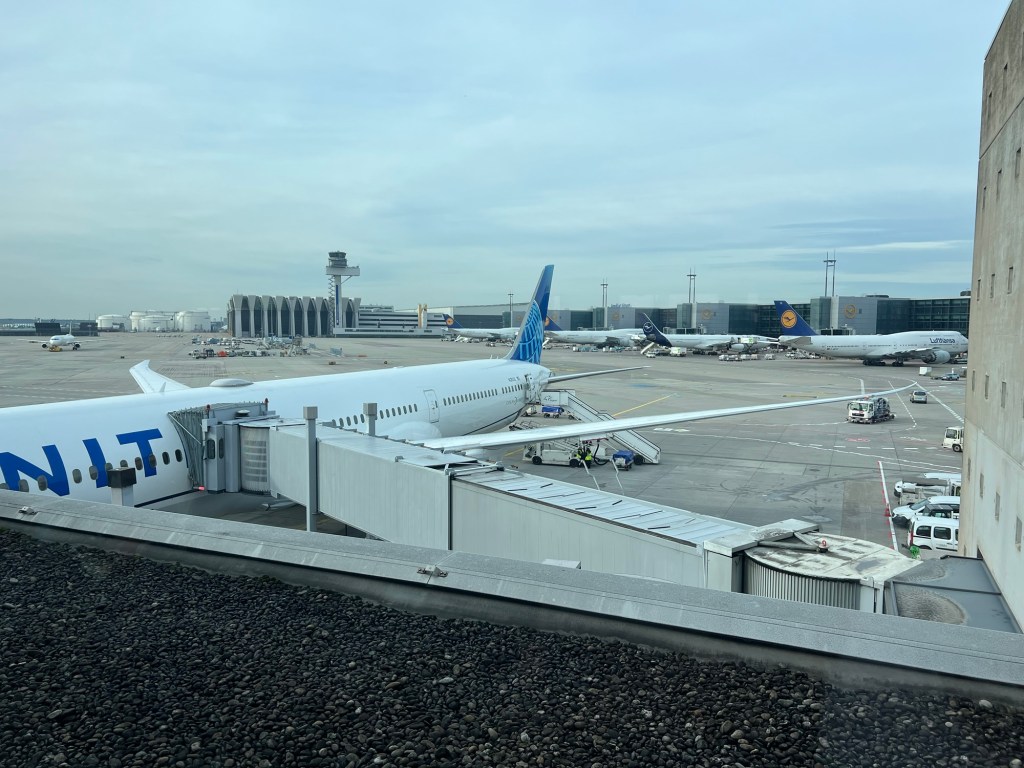
I know this trip well. I have lost count on how many times I have done this, but enough to have a routine. To know how to get through German customs without too much stress. I know my way to the gate. I know where to fill my water bottle and where to get the best sandwich before the flight. When to put on my compression socks and when to get in line.
I recall specific flights that stand out more than others; the previous time flying back for our daughter’s wedding, the last time flying with our youngest to complete her university orientation, or the time when she and I lucked out with my husband’s business points and were able to sit in business class, side by side, watching movies and eating junk food the whole way across the ocean.
I loved our flights when there were 3 of us, our daughter by the window, me on the aisle, and my husband in the middle. A Daddy sandwich. Excitement was palpable between us, heading back to the U.S. either for the first time after moving or excited to spend time at our place in Door County.
All the others just blur together, enough to form my routine, my habits at the Frankfurt airport…trying to make this as pleasant an experience as possible. It is always a challenge when working through a language “speed bump” and cultural differences. A challenge to manage through any anxieties about flying or sore muscles, stiff necks and tired eyes coming from limited sleep.
Reflecting today as this could be my last flight back to the U.S. before we move back officially in the spring, after nearly 4 years of living abroad in Germany.
I can’t really wrap my mind around this yet as we have been living in such a state of unknowns, undetermined dates, uncertainty of locations. But we knew it was inevitable. This realization brings me right back to gratitude.
I know that this experience, living in Europe, is something that few are able to do. We really have been blessed with this opportunity. But it does come at a cost. Today, I am reflecting on the costs of an ocean in between us and our family. Grateful that I am able to do this, me and my routine, at the Frankfurt Flughafen.
‘What is my Story?’, I thought as I reflected on our day learning about the Māori people, the first to arrive on the green and peaceful islands, that the world now calls New Zealand.
She had my attention the minute she opened her mouth to speak, with her eyebrows raised, joy radiating from her smile. She was here to share her family’s story. The story of her ancestors.
With our 12 day National Geographic G Adventure Tour, we explored and embraced New Zealand and her people through multiple cultural experiences earlier this year. Ena, our Māori guide on a beautiful summer day in February, drew me in with each word as she shared the Story that has been passed down generation after generation of her ancestors.
New Zealand was uninhabited by people until around 1000 years ago. There were just birds upon birds and a few species of bats. The first people arrived 300 or 400 years before the Great Migration from Hawaikii (around the 1600s) when Toi Kai ra Kau brought a group of 50 people out to sea, to explore and ultimately share information with their homeland. But he never came back, leaving these people to embrace their new life on the island, that they call Aotearoa.
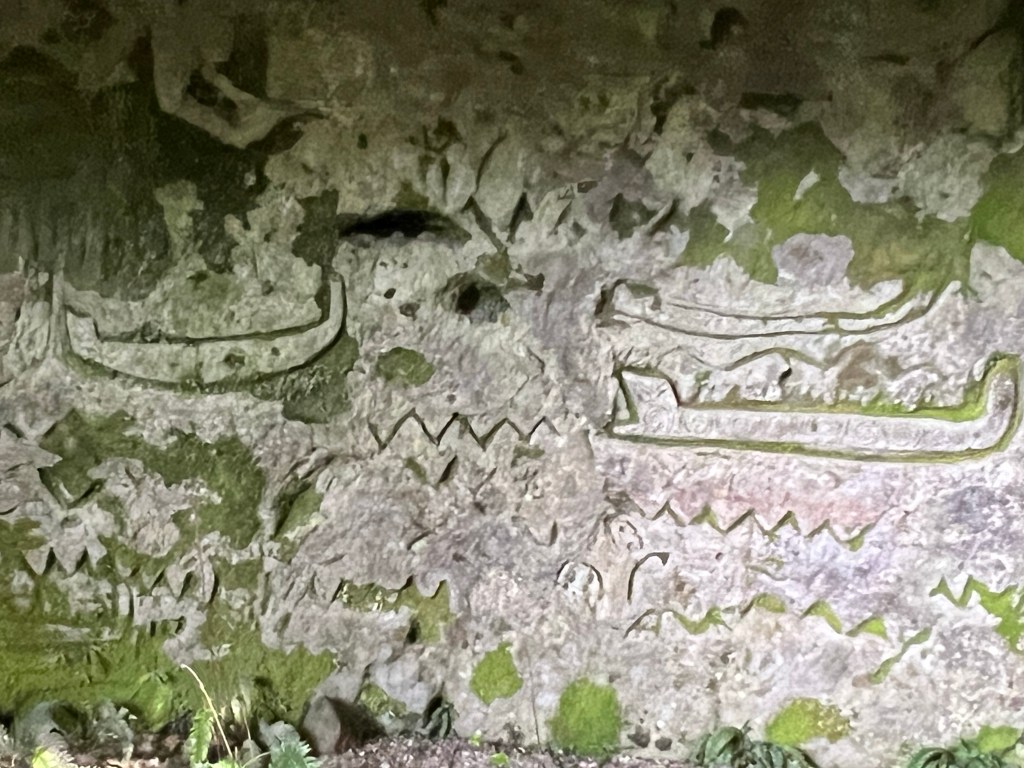
As Ena passionately shared this story with us, she showed us the rock carvings that visually told their story. These carvings have been dated to 1050 AD and are not art, she says. They tell the story of her ancestors. Carvings of canoes. Long canoes. Their story of grief. Of life.
Fast forward hundreds of years. In the 1900’s, the Maori economy was booming as they had the largest planted forest in the southern hemisphere where pine trees grew twice as fast due to the volcanic soil. However in the 1960’s, the government wrongfully sold their land and trees to overseas control. Then in the 1980’s, mechanized forestry caused huge unemployment and their economy crashed, leaving them to face some pretty hard realities such as gangs, drugs, and high levels of suicide rates and abuse. Murupara was not the place you wanted to be.
“But that is changing. Change is always possible”.
-Ena
Ena stated these words with pride, as she toured us around her hometown.
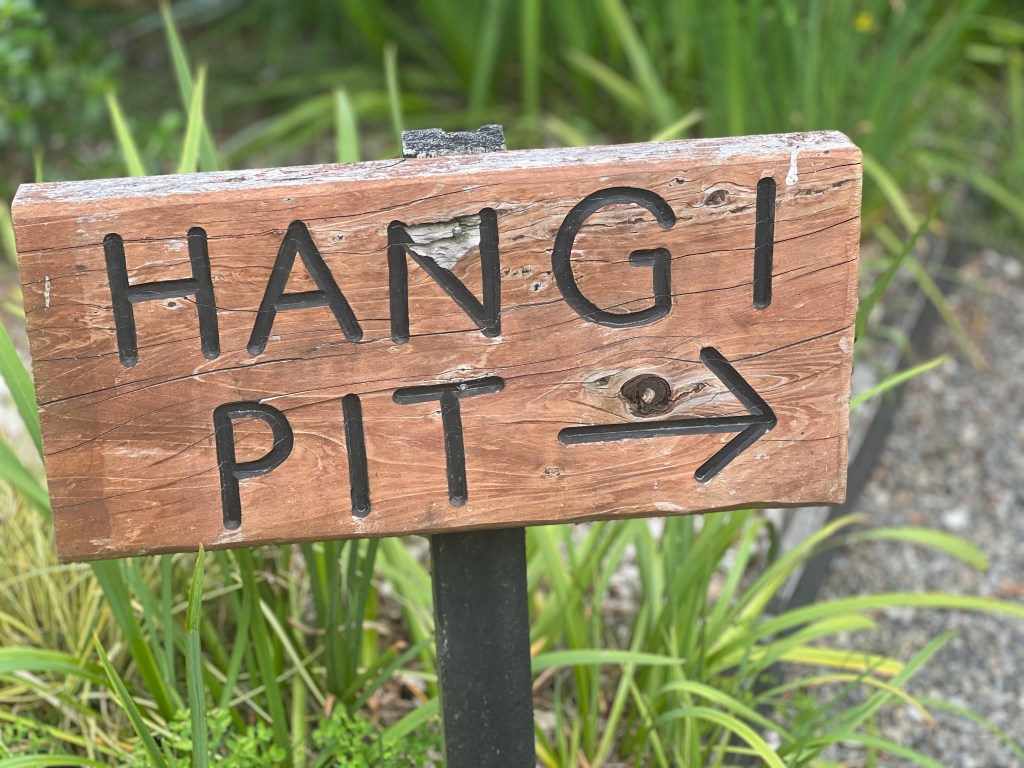
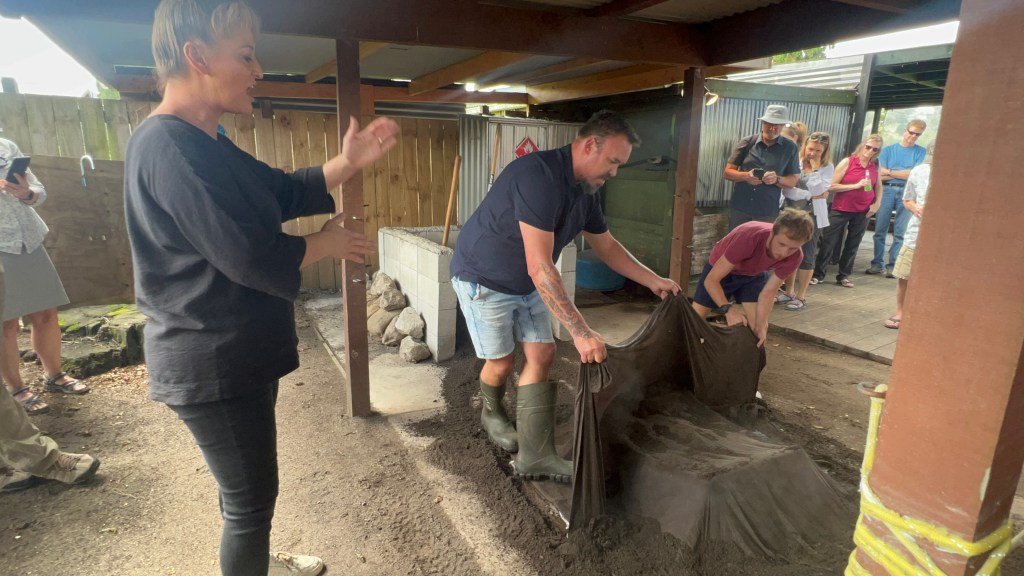
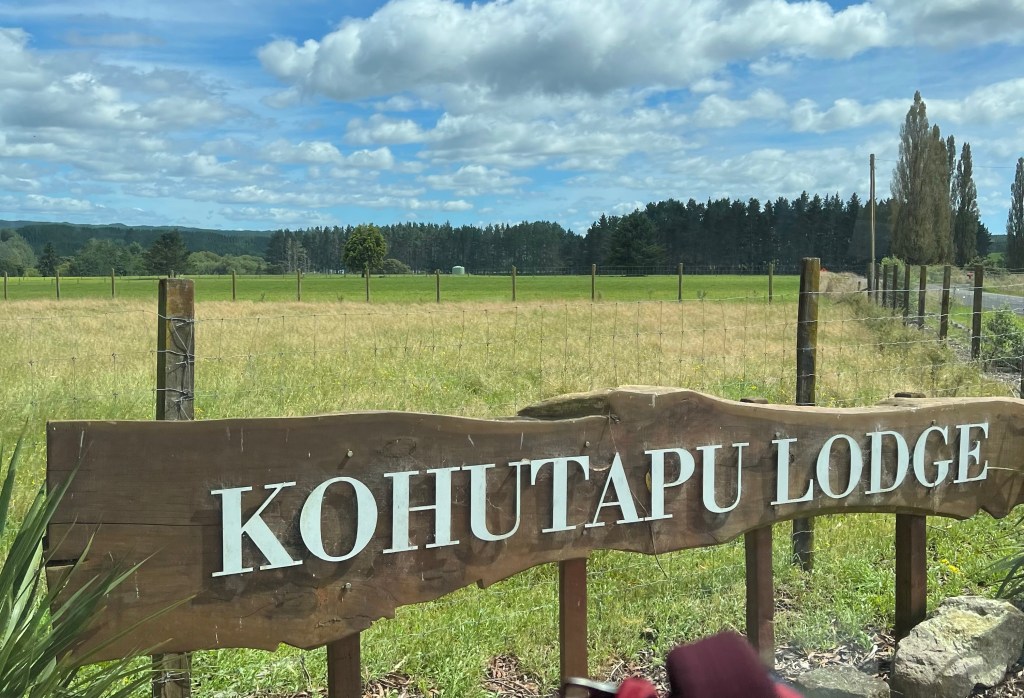
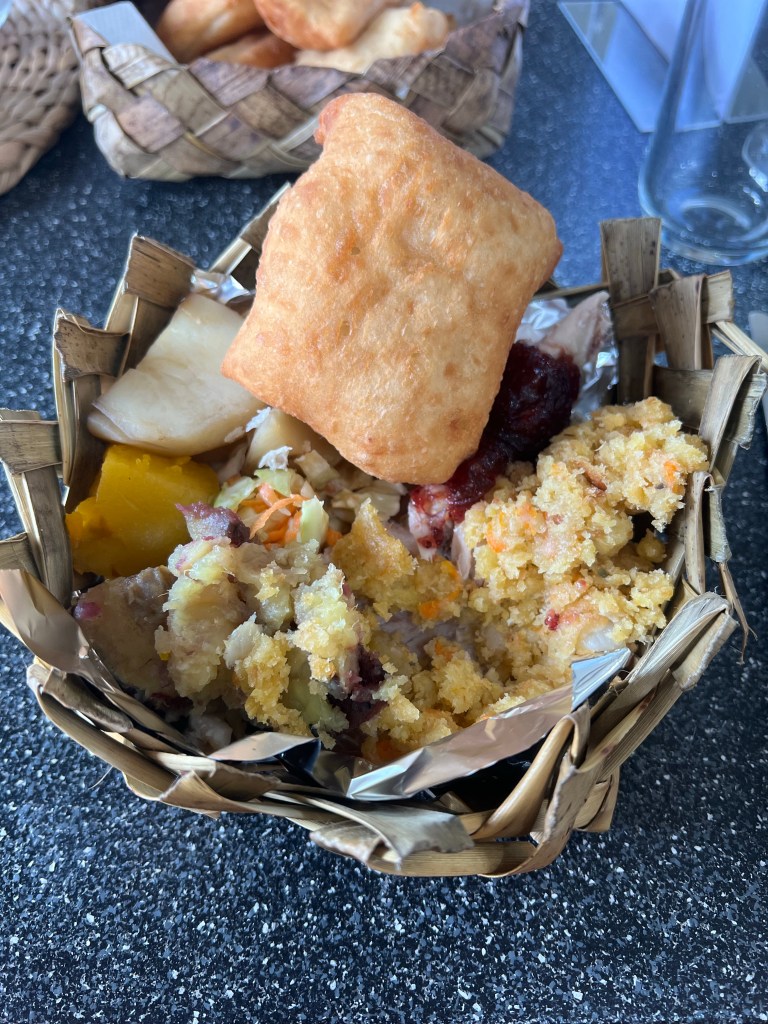
We pulled up in our bus to the Kohutapu Lodge, where Nadine and her family welcomed us with smiles and open arms to their home. They had been preparing since early morning a traditional Māori lunch called a Hangi, where food is cooked for hours in the ground.
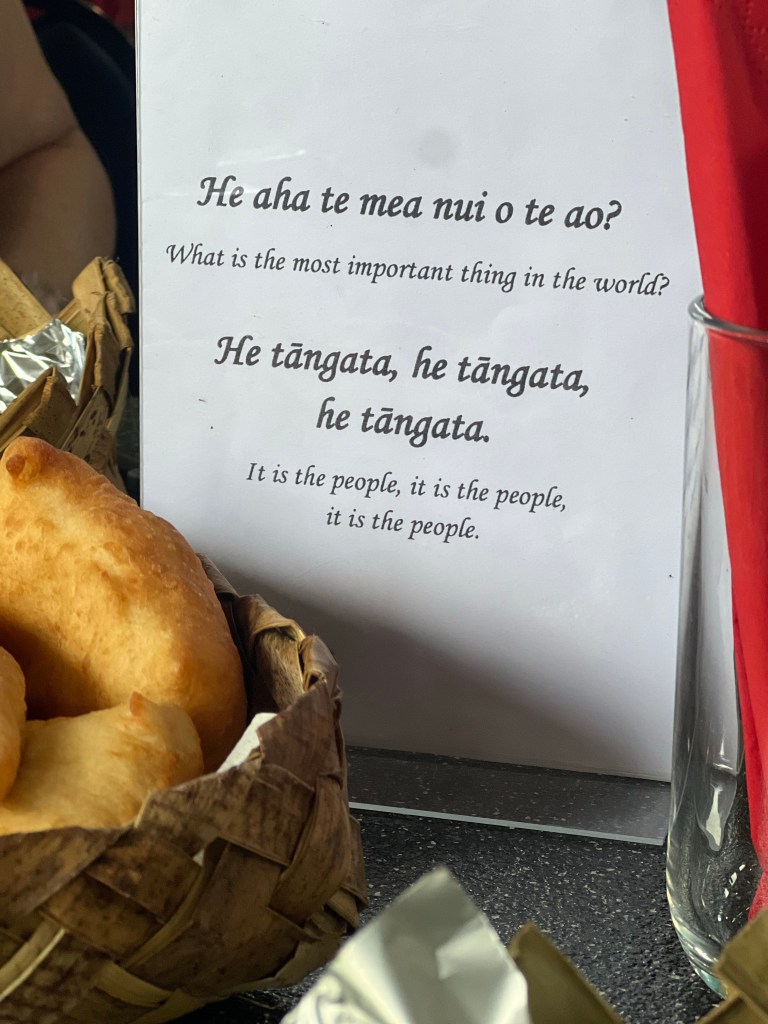
Our welcome as we sat down at our table
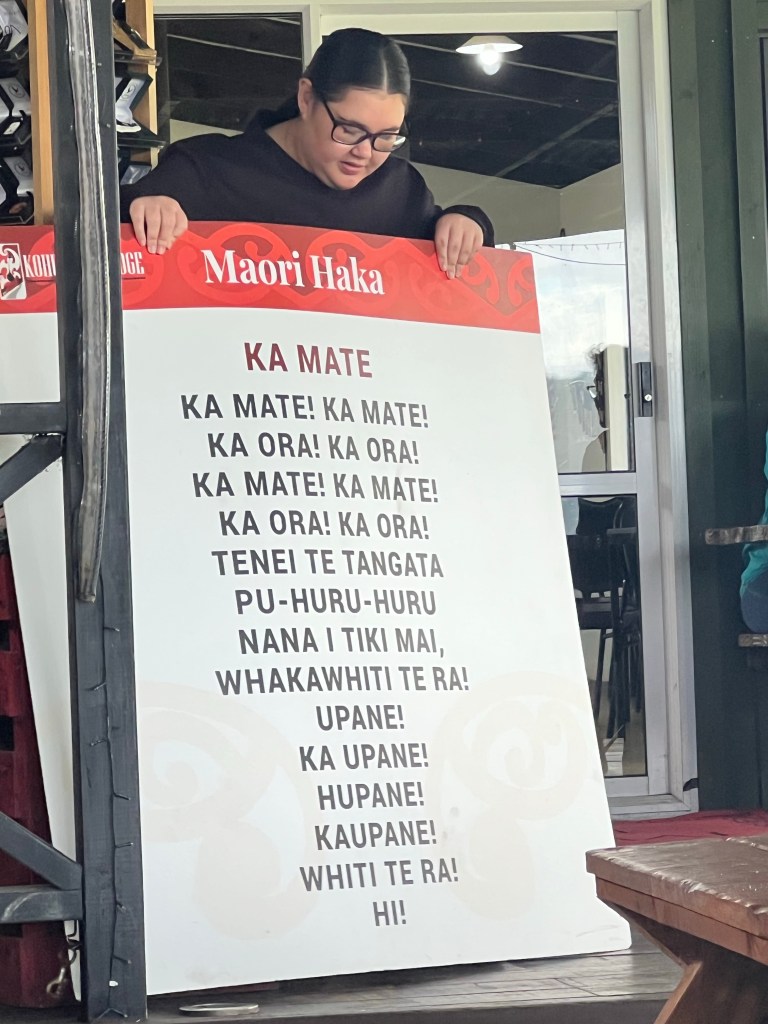
After lunch, Nadine invited us to gather around to hear more of their Story. We learned about Haka and soaked in the Māori Haka as Ena expressively shared that with us. Nadine and her husband gave up everything 9 years ago when they felt called to make a change in their community through tourism. Through the leftover Hangi meals, as buses upon buses came through to their lodge, they were able to feed over 30,000 meals to children in their community. But Covid brought them to their knees. How could they continue to make change in their community, with no tourists?
They needed to adapt. With government financial support, they developed programs to support local youth, which resulted in an 86% success rate. They now provide full academic scholarships to students, for their learning abroad and for students to come to them to learn about Māori people. Nadine shared with tears in her eyes that their family tourism experience won the top tourism award in New Zealand and the award for community engagement. Little by little, change was happening and we as tourists, played a part in making that change.
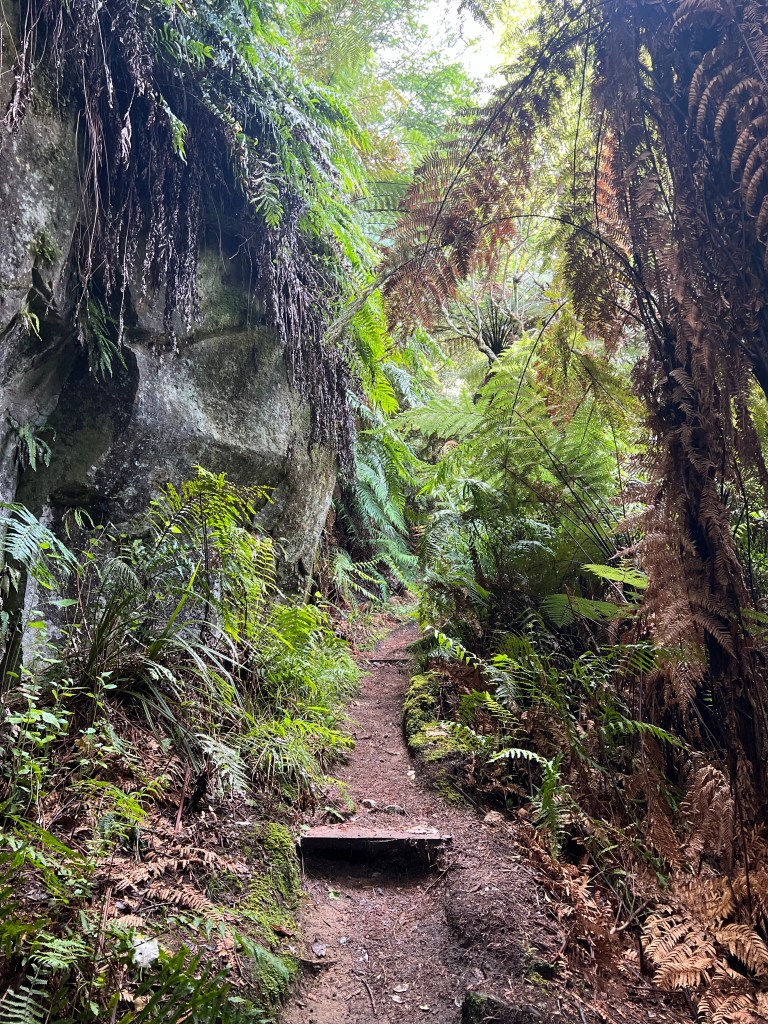
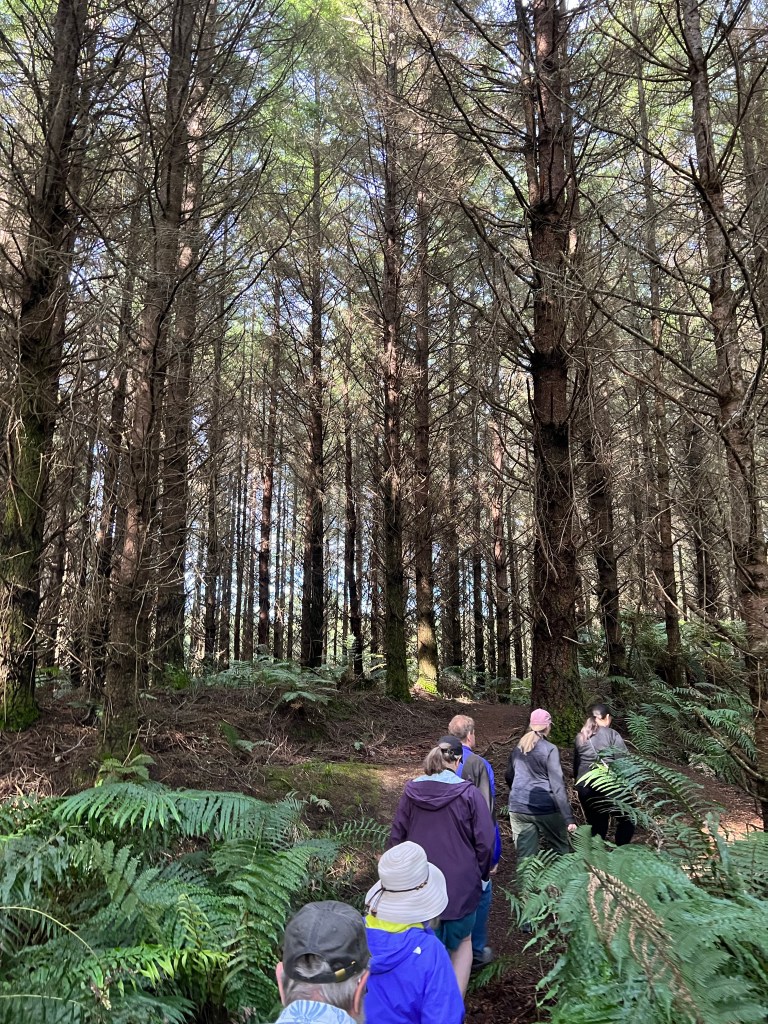
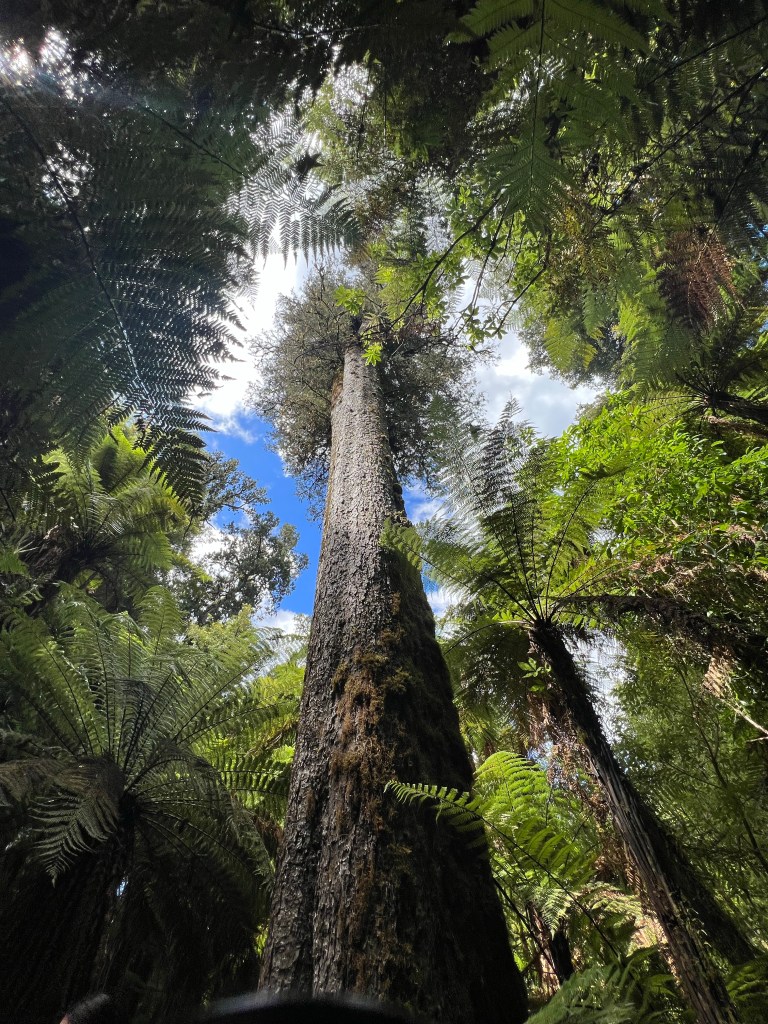
Our day with Ena came to a close when we went to go on a walk through the bush, their sacred forest. Before we walked in the forest, she said a beautiful Mihi (acknowledgement) in Māori, asking for permission for us to enter Her forest. We promised to not take or hurt anything. We were just there to look and then we would leave, leaving Her forest and inhabitants unharmed.
Walking through the forest was an experience like no other. The Forest, she inhaled and exhaled as we walked through. You could feel Her harmony. Her sacredness. To Her we gave Her our respect.
Ena, Nadine, and their family had shared with us their Story. Their collective Story. Their Story that has been told for over a thousand years.
One of our tour participants reflected how different this is compared to North American white culture. We do not know the stories of our ancestors from 1000 years ago. I barely know the stories of my grandparents. Such a loss in our culture.


 Embracing Second Half Wonders