Don’t Stop Believing

We long for the reassurance our loved ones who have died are ok. If you pause and listen, sometimes you can hear.

I was walking into the restroom at the Norske Nook restaurant when I happened to notice the song playing on the radio. I had not heard it before when my dad and his wife, Marilyn, and I were sitting at the restaurant table, relishing being at this special place. We had stopped at the Norske Nook for lunch on the way to Minneapolis to remember my aunt Jan, my Godmother, my dad’s sister, as she and my grandma had loved this place dearly. We were headed to her funeral after she died suddenly from a serious infection. It was a shock for all of us as Jan was so full of life and a joy to all who met her.


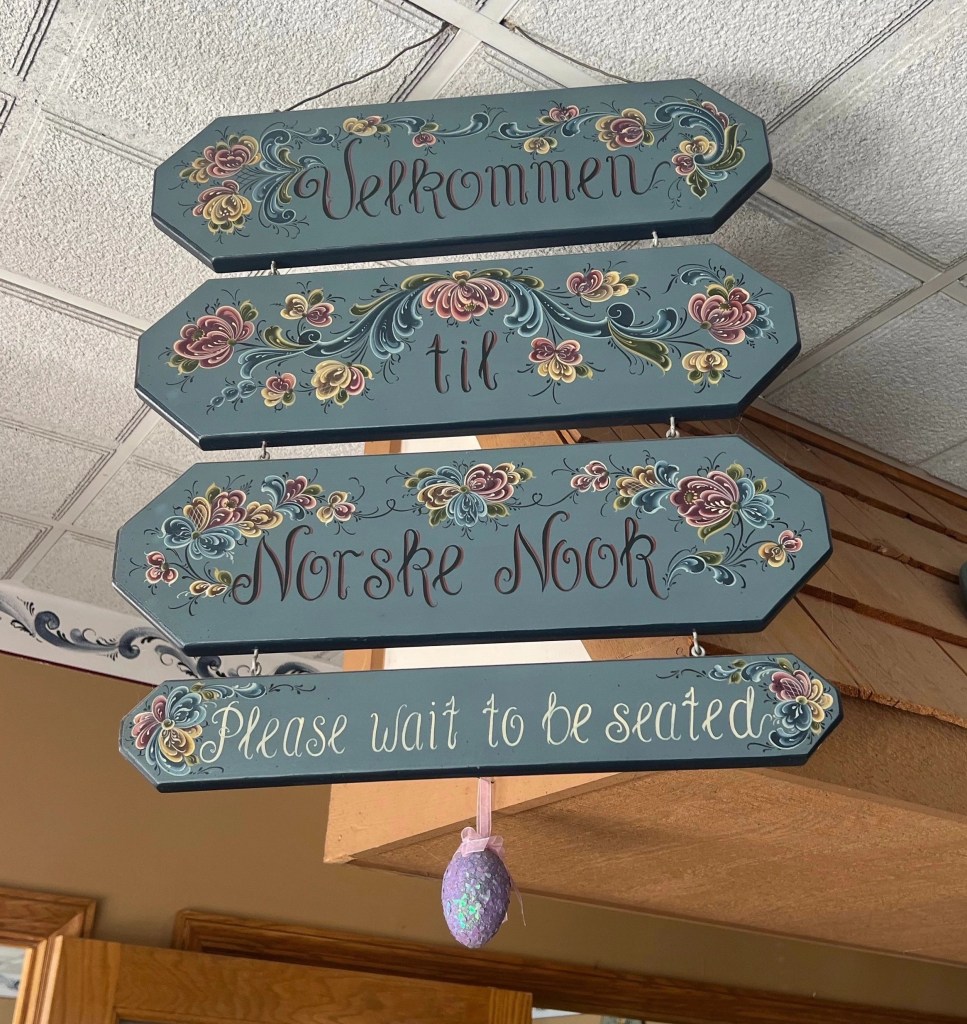
The Norske Nook is a small restaurant, off the freeway, in the small town of Osseo, Wisconsin. Known for an incredible selection of homemade pies…and all things Norwegian, from gifts to books.


After I ordered our food, which included a treasured plate of lefse, (a Norwegian potato “tortilla” spread with butter and sugar and wrapped in a spiral), I headed to the restroom. This is when I noticed the song.

Lefse!

“Don’t stop, believing”…I noticed the last few lines of the classic song by Journey as the song was ending. Soon after, the next song began. “I’m a Believer” by The Monkees. Usually when I hear that song I think of Shrek, but this time my interest was piqued by hearing these two ‘believing’ songs so close together. I immediately smiled, felt a chill in my body, and said “thanks Jan, you are in a better spot”. She truly was a faithful believer.

Jan had always been a woman who helped strengthen my Christian faith. When my mother died in 2000, she reached out to me through the years with cards, books, phone calls, letting me know that she was here and that she was cheering me on in my faith and daily life.

Before I left Germany to head to the US for her funeral, I had found one such book she had given me. It told the true story of a Norwegian boy during World War II and the occupation of Norway by Germany. She had left a note inside for me, saying she has found it at the Norske Nook in Osseo and had loved it. She wanted me to read it and then pass it on to my dad when I was done. So that is what I did. I read it on the plane and then gave this gift to my dad, from his sister.

Knowing that Jan would have looked through all the books on the shelf there at the Norse Nook, I jumped up to peruse and see what I could see. Immediately I saw a book titled “Laughing for Lutherans”, with the quote from Martin Luther on the cover that said “If Heaven does not include laughter, I don’t want to go there”. I grabbed it and knew I had to purchase it.

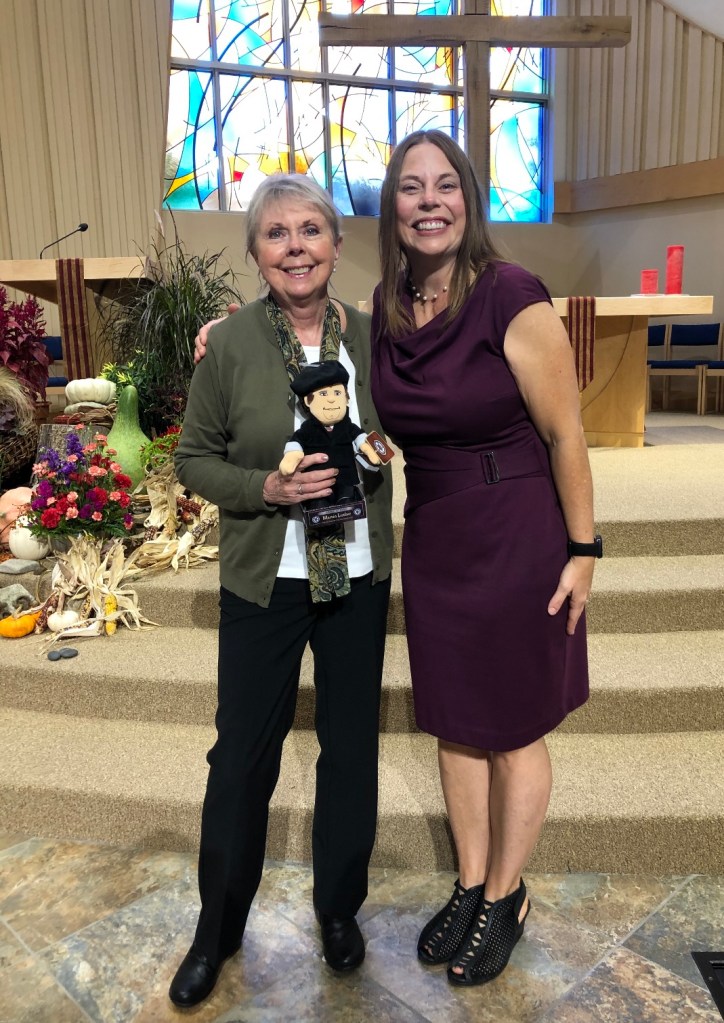
At our table, we dug into the book of Lutheran bulletin bloopers and funny little quips that people have said, and we laughed. And we laughed. As someone who worked at our church for 10 years and edited way too many bulletins and newsletters, I know that is not easy and sometimes funny things are printed or said. I knew I wanted to give this to my sister, also Jan’s goddaughter, and a youth director at her church. Jan would have picked that for us for sure. She had a great sense of humor. Once she saw that I had a Martin Luther doll in my church office (long story…was a gift)…she insisted we take a photo together with it.
We left the restaurant and headed to Minneapolis as her funeral was the next day. As funerals do, they bring family together who have not seen one another in years. Seeing so many family members and spending time laughing with them was so good for my soul. My sisters and my nephew performed a rendition of “Amazing Grace” with vocals, piano, and violin for her funeral. I know Jan would have loved it.

My time with extended family was quickly coming to a close. I was already at the airport the next day to return to Germany. My check in took only a few minutes, so I had lots of time to spare. I found a quiet spot with some tasty American treats to savor and was debating what to do next to spend my time. I was behind a few days in my online Bible devotional plan that I do with friends around the US, so decided to dive right in.

I sat there and studied and reflected for quite some time before I caught the song on the radio in that small cafe and it caught me by surprise. “I’m a Believer” by The Monkees was playing on the speaker. I thought “how could that be?”, thinking back to just two days earlier at the Norske Nook.

I believe Jan was telling me one more time she was ok, better than ok. She was in a much better spot, and I, should keep believing.

A Changing Dawn

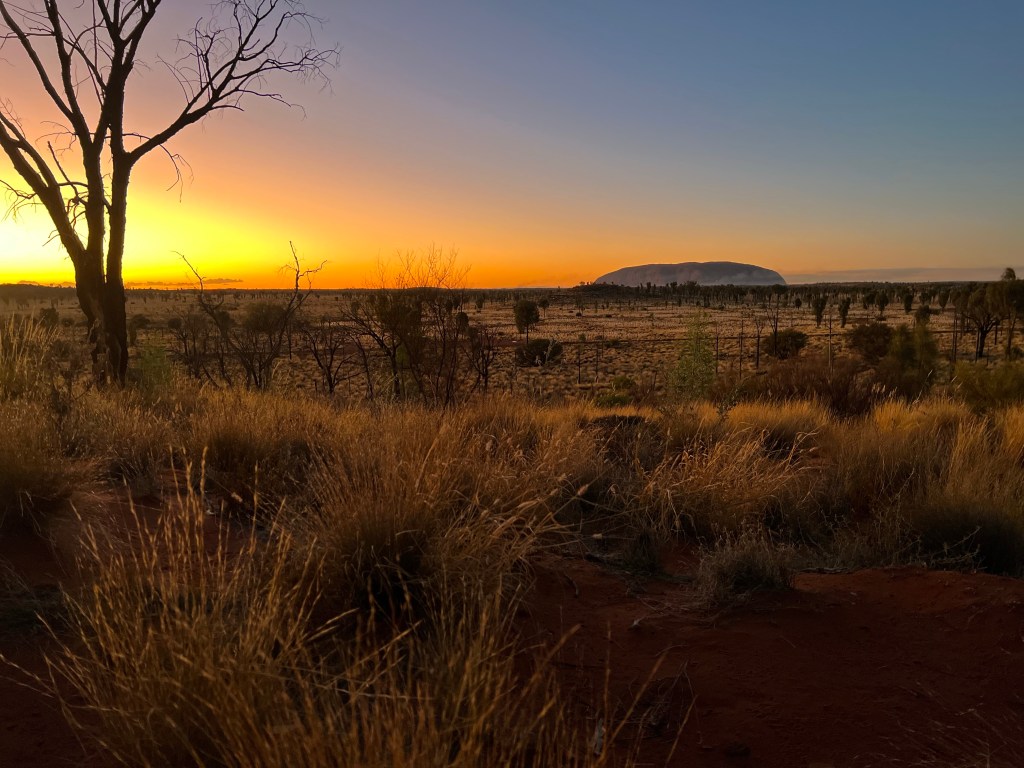
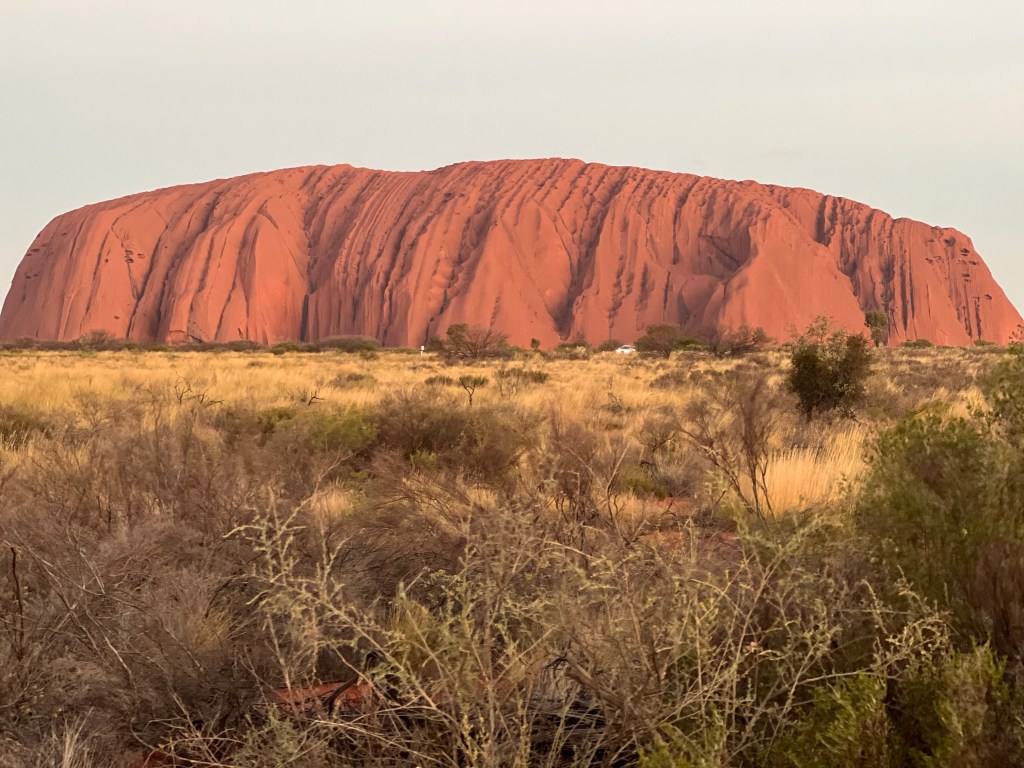
Always darkest before the dawn? We were soon proven otherwise with a brilliance of color spanning the horizon of Uluru.

The morning alarm came way too early for me. “The bus leaves at 5 am tomorrow morning”, we were directed by our CEO (Chief Experience Officer of our G Adventure tour). I find it hard to get super excited at 5 am, but we were headed to go watch the sunrise over Uluru in the red center of Australia. I honestly had no idea what to expect.

We had savored the sunset the evening prior, where with each handful of minutes, the shadows and colors changed over Uluru and across the spanning Australian Outback horizon. But our bus driver promised that this would be even more spectacular. As we drove, we could just barely make out hints of pink and yellow on the vast horizon. This was going to be special.


The land that we were travelling on is Aboriginal land, now Uluru-Kata Tjuta National Park. The traditional owners of the land, Anangu (Yankunytjatjara and Pitjantjatjara people), have been joint managing their land with the Federal Government (Parks Australia) since 1985 when the title deed to Uluru-Kata Tjuta land trust was handed back to them. Land that has been theirs since the beginning of time, where their ancestors have lived for over 30,000 years. We were being welcomed here today to look around and to learn: to understand Anangu, to respect their knowledge, and to open our minds and hearts to appreciate their enduring culture.

We had learned about Tjukurpa (pronounced ‘chook-orr-pa’), the foundation of their culture and why Uluru-Kata Tjuta is such a sacred place for Anangu. Tjukurpa is more than just our western views of laws and culture. Beyond being the traditional law that guides Anangu, Tjukurpa refers to the creation period when ancestral beings created the world. Tjukurpa provides answers to important questions, how to live and care for one another.

“Tjukurpa refers to the past, the present, and the future, at the same time. This knowledge never changes, it always stays the same”.

– Uluru-Kata Tjuta National Park Visitor Guide


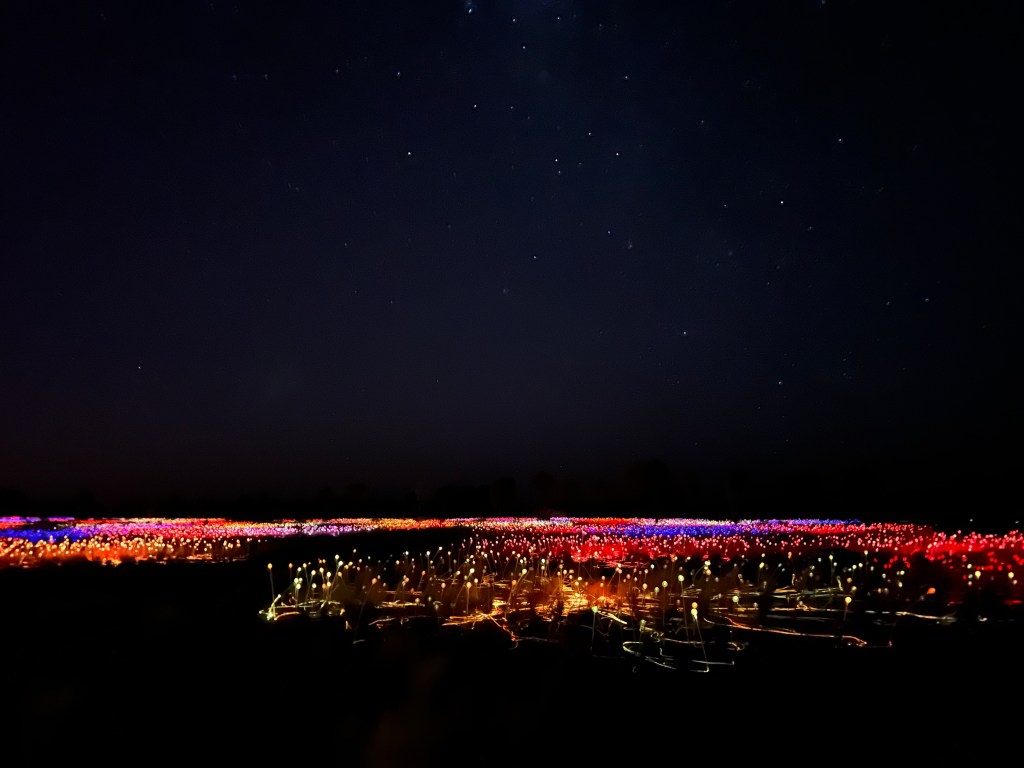
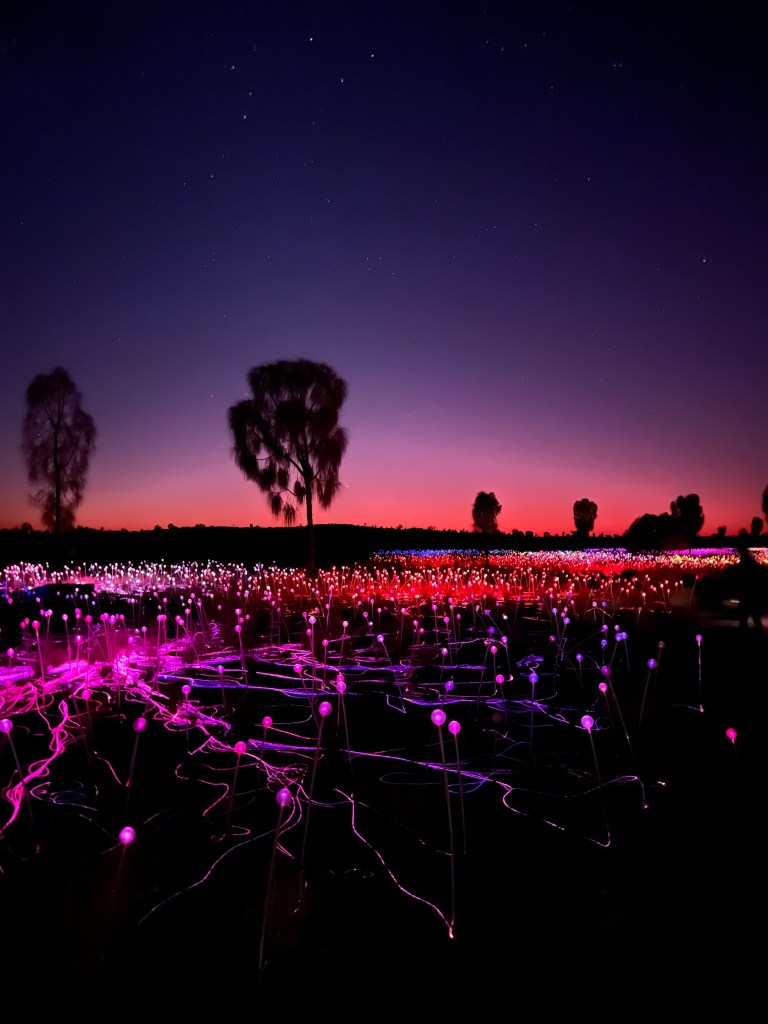
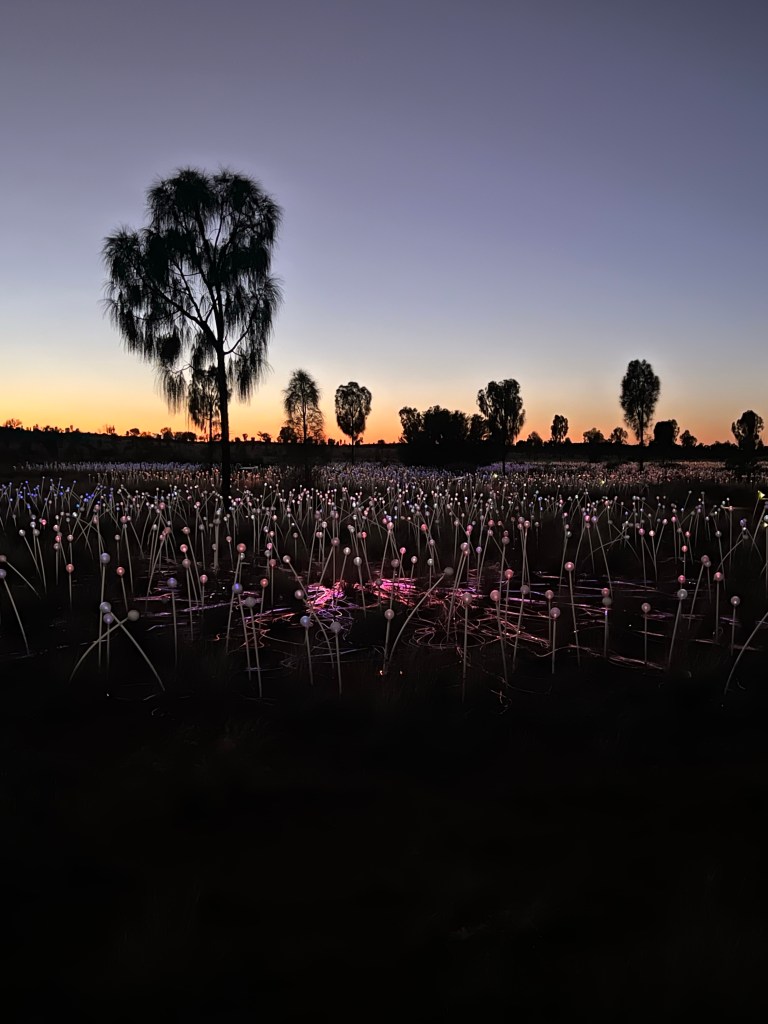
As we exited the bus, small white lights lit up a visible short path, headed into blackness. We followed each other, one by one in our group until we came upon a rainbow of light sprinkled off in the distance. Field of Light.

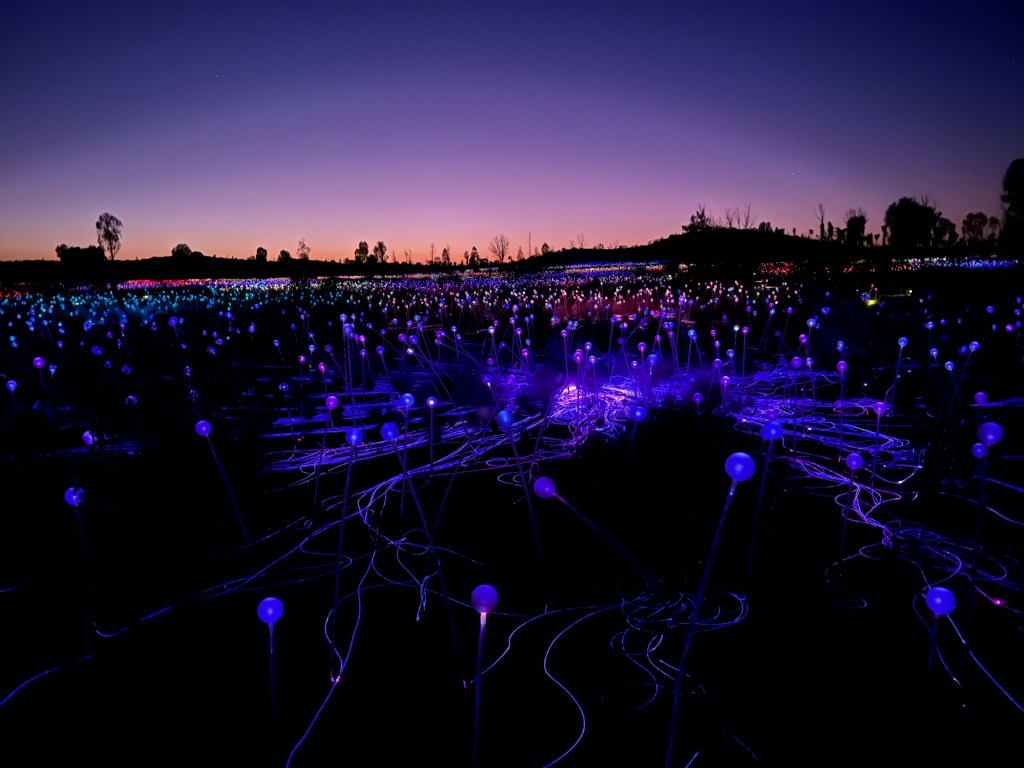
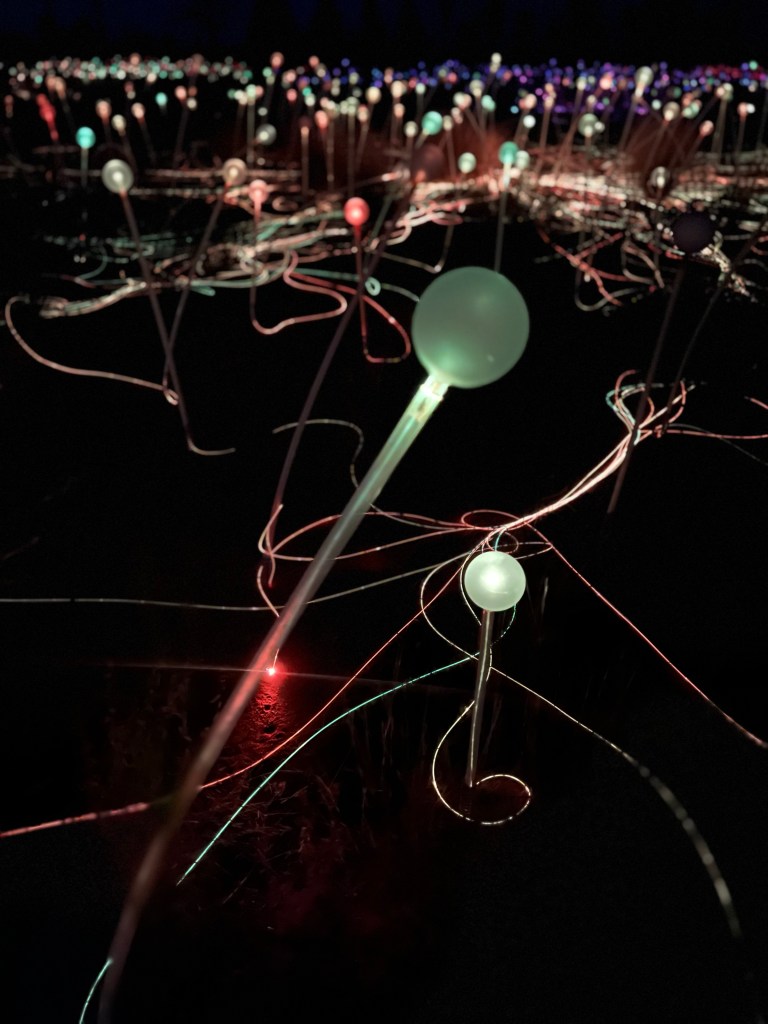
Artist Bruce Munro was inspired by a trip to Uluru in 1992 to create Field of Light, a collection of 50,000 interconnected, solar recyclable lights that now span over 7 football fields, like a sprawling garden of desert flowers in the darkness.

We were encouraged to take our time, slowly walking through Field of Light, and to absorb. As in a labyrinth, we meandered at our pace along the paths, not really sure where any path would take us. Each path was dark, lit up only by small white lights on the side, bordered by the brilliance of ever-changing reds, greens, and violets.

As I wandered and reflected, I could feel that each viewing of Field of Light was unique, as each light changed second by second. In contrast, Uluru, having been here for hundreds of millions of years, stood quiet and resilient somewhere in the distance. As we traveled the paths, we could see more and more, glorious pinks and purples on the horizon, a sign of the sun’s arrival. But little by little, the 50,000 solar lights, were starting to lose their energy and brilliance. They would be dim soon until the blazing Australian sun would charge their cells once again.

I felt that connection that artist Bruno Munro wanted us to experience: a connection to something bigger than our lives. Just like those lights, our lives exude brilliance for a time and then, dim and fade. While shining bright, we are intertwined, making something even more spectacular together than one single light. However, generations of light will come and go, all just a minute in the span of the time of Uluru.

But the sun still arises at Uluru.

And the beauty continues.

Looking Through Your Own Lens

To photograph or to just be? My constant struggle with how to experience amazing wonders around me.

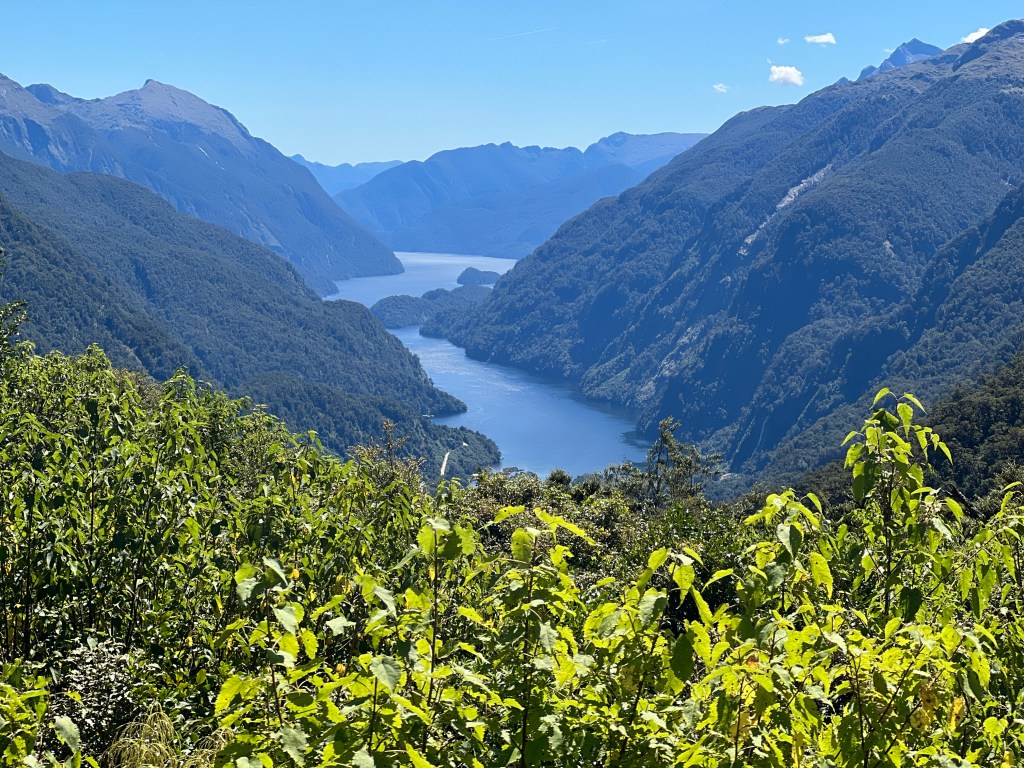
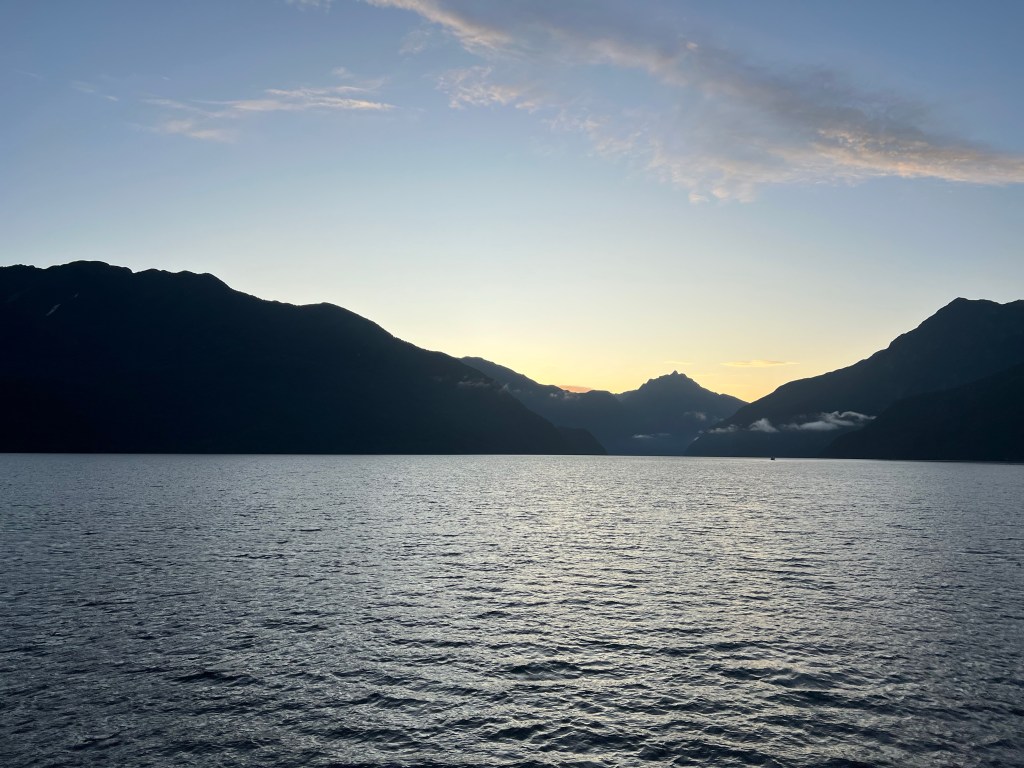
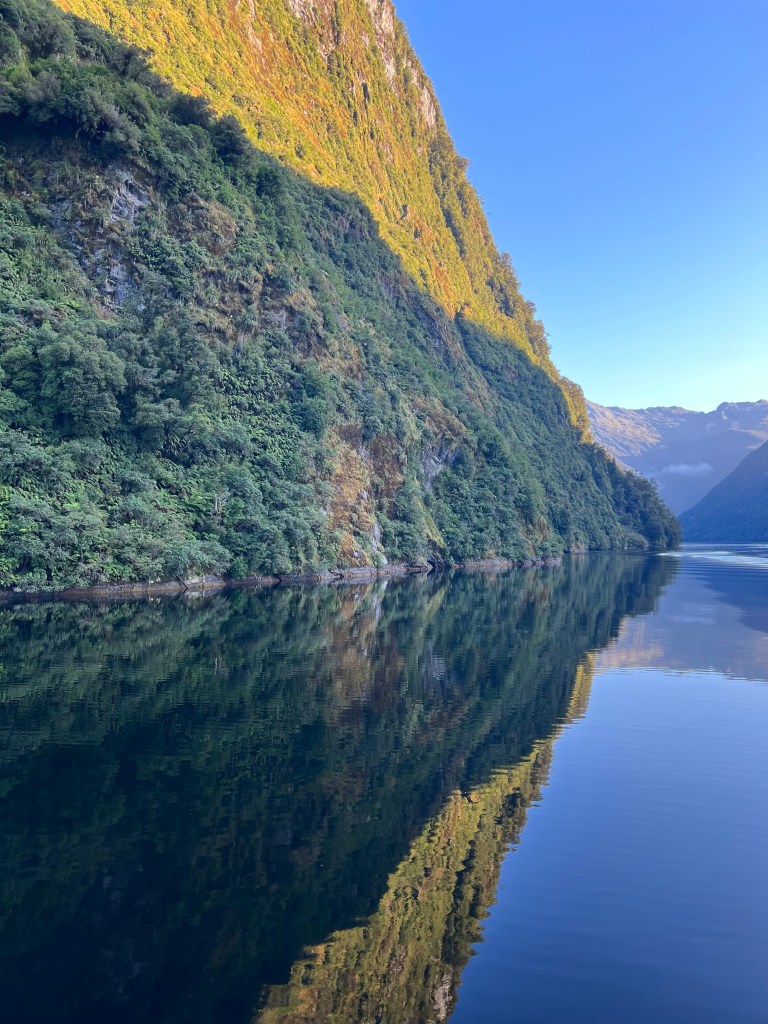
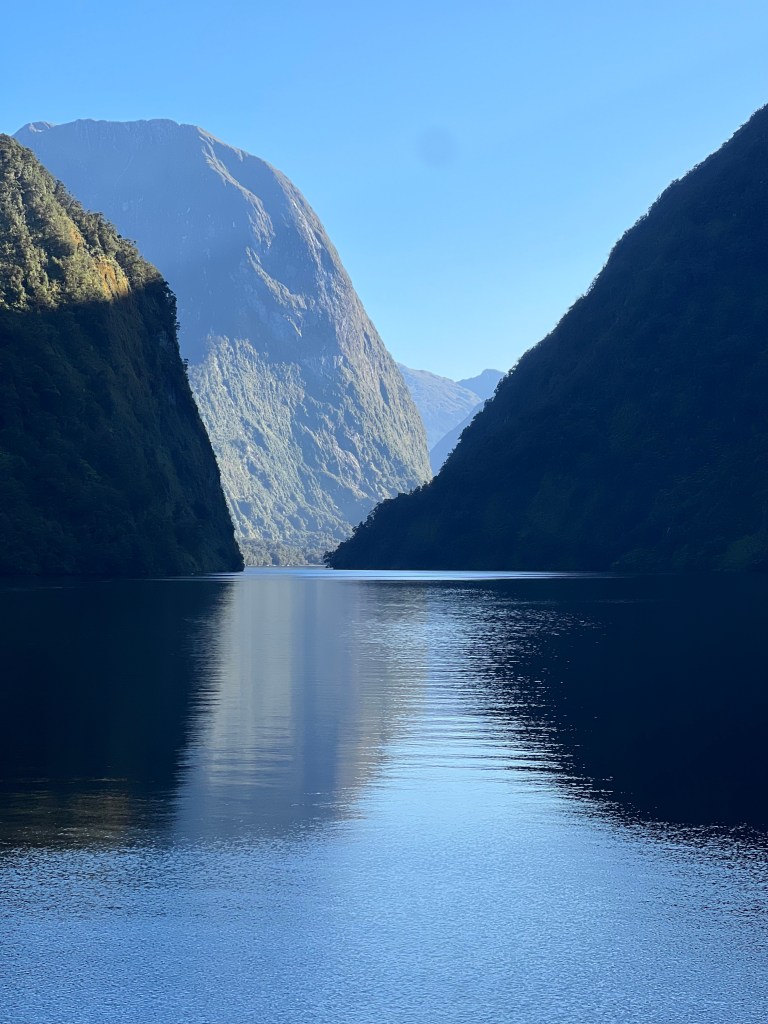
Overlooking Doubtful Sound in New Zealand

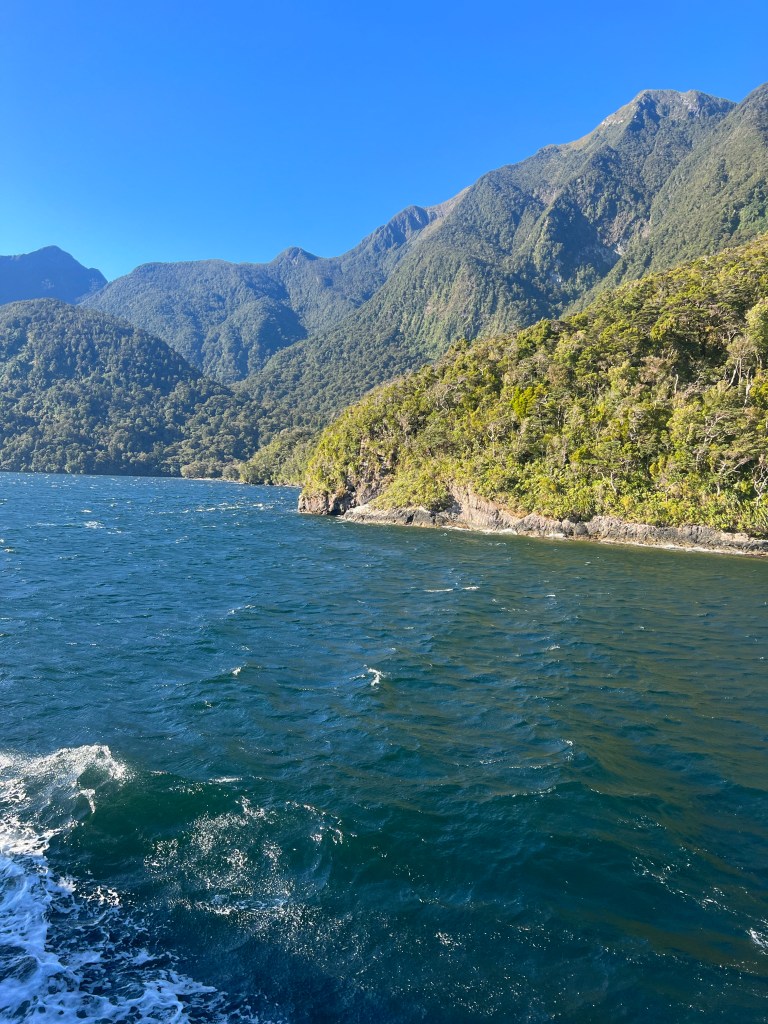
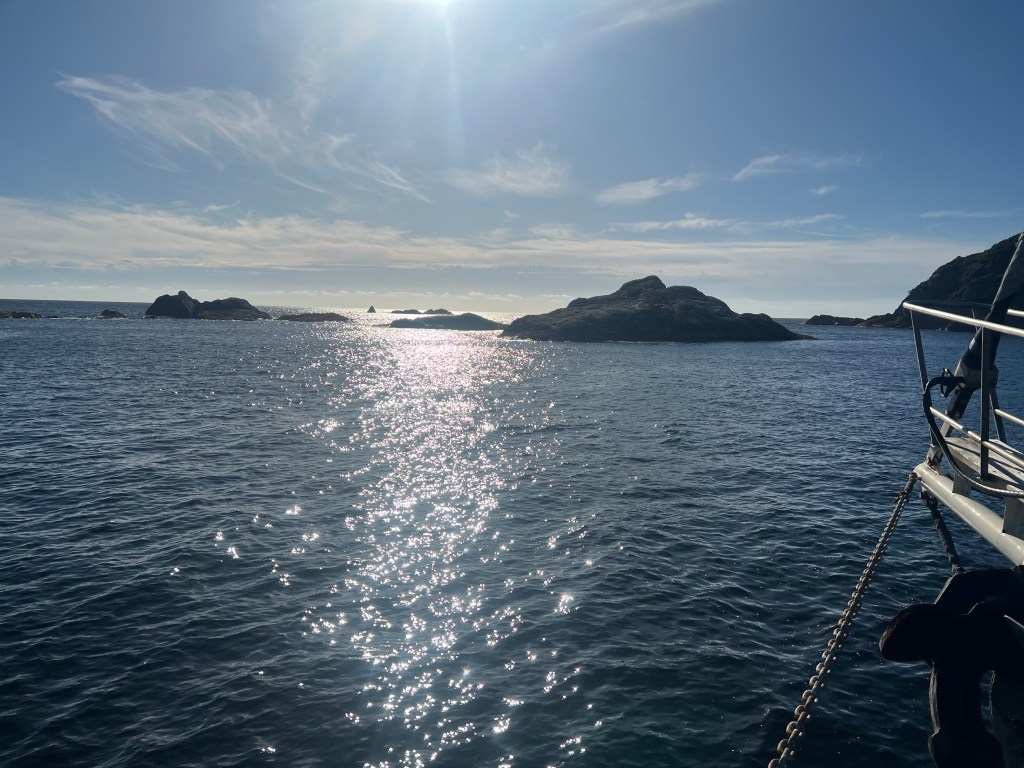
Our overnight boat cruise of 58 passengers in Fjordlands National Park was setting sail out of the glacially-formed, remote Doubtful Sound in New Zealand, into the Tasman Sea. To get here, we had taken a 45 minute cruise in a catamaran across Lake Manapouri, followed by a 45 minute bus ride over the steepest commercial road in New Zealand, through dense rainforests across Wilmot Pass. We were nowhere close to anyone.

“Wow, we only get a few days out of the season when we can go this far into the sea”, our captain said, as we soaked in the ocean breeze, staring over the water becoming illuminated with the setting sun. “Someone here must have done something good for this”. The Fjordlands National Park is one of the wettest places on earth getting 7 meters of rain a year, with over 200 rain-days a year. All we had that February day was bright blue sky.

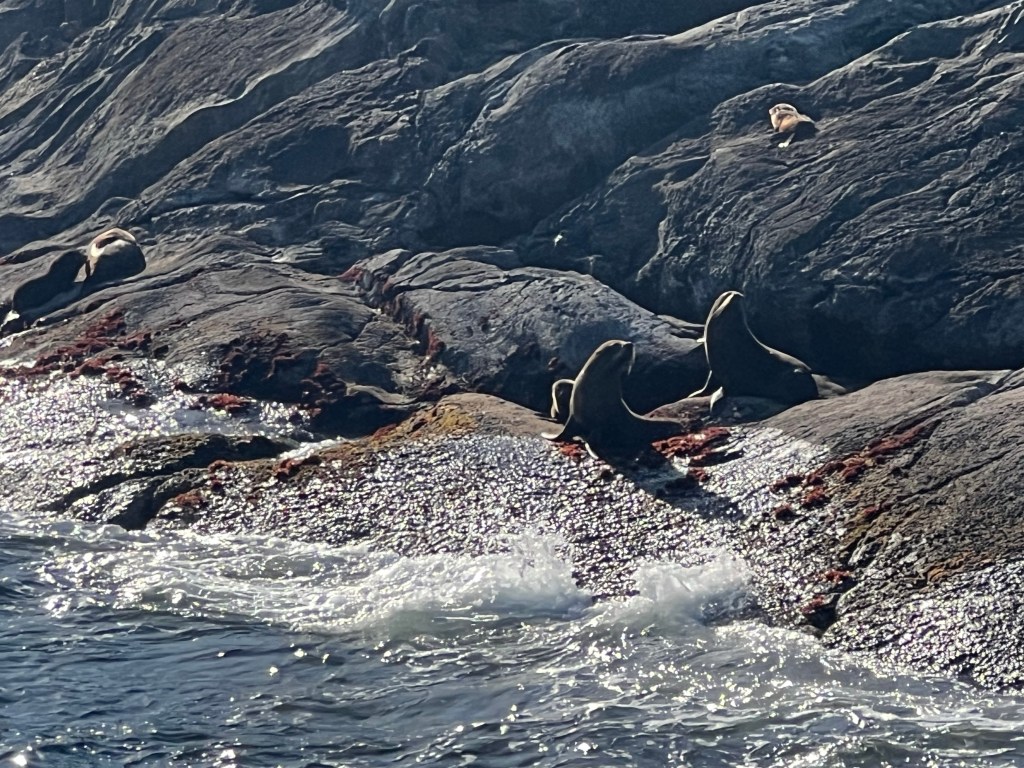
Our luck was continuing as the naturalist on board alerted us of seals ahead bathing on surrounding rocks. Everyone rushed to the boat, mobile phones in hand to capture any bit of video or photos of this wonder: seeing seals in their natural habitat.


I could already feel that tension of whether or not to take a photo or just soak it in.

I love to tell stories, so it is hard for me to just sit and soak it in. I want to share this wonder with my family and friends who are not able to be sitting with me and also to better savor it again in the future with a visual reminder.

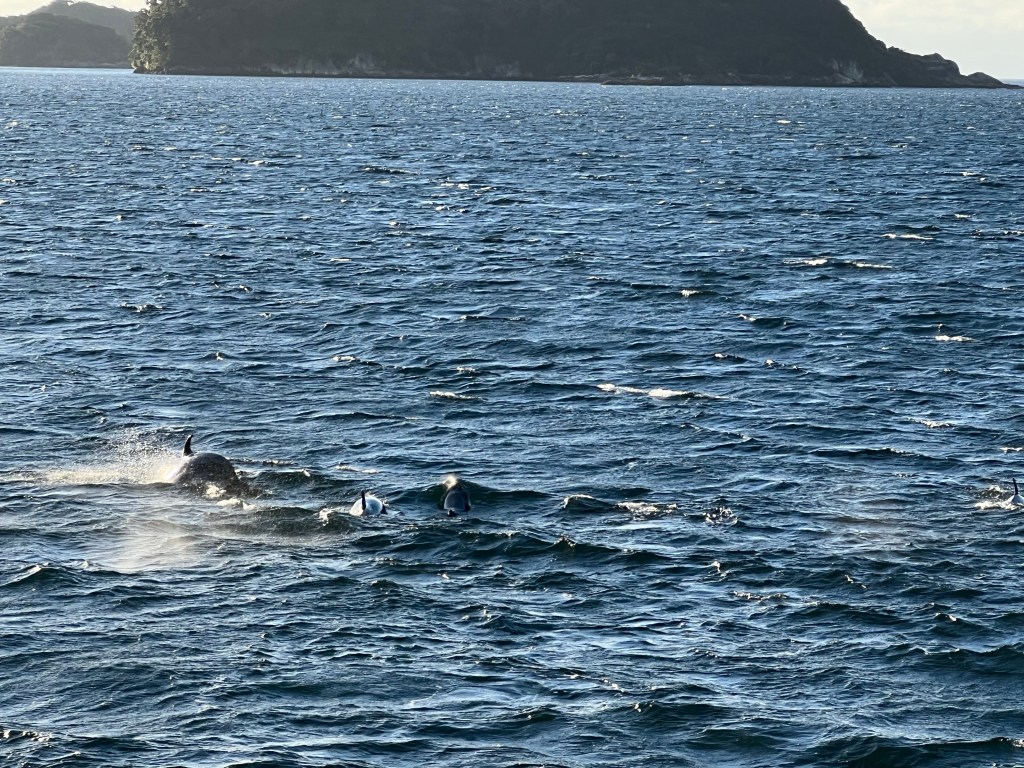
Not long after we saw the seals, we learned that Bottlenose dolphins were nearby. What luck! At first they were out in the distance, where we saw just small glimpses of grey, sleek bodies poking out of the water causing a splash.

Slowly we saw more and more splashes, not sure if the dolphins had told their friends about their requested evening performance or if we just finally learned what to look for. It was not long before we saw 10 to 20 splashes getting closer and closer to our boat. They were coming right for us.

Soon we had several dolphins traveling parallel with the boat and their friends. They were so playful, rising up and swimming down, speeding through the currents. You could sense their passion as they streamed through the water, up and down. We were in their home, and they were thrilled to give us a warm welcome show.

Again, I quickly felt that tension. Take a picture. Take a video. How can I get that captured on film? Should I just sit and admire? I could sense that I was not alone in this dilemma, as phones went up and down, trying to balance between both. Capturing this for others, for the future or recording this just for us, right here and now in our own memories. “Just sit and watch”, I could hear one of our friends advise. So I sat and just embraced the moment of watching these playful dolphins, living carefree in their sea haven.

The following morning, our boat traveled up into the quiet Hall Arm of the sound, for a ‘moment of silence’. As we pulled up facing the carpeted green fjord, the fjord’s mirror image flipped onto the still water, the captain said he was going to turn off the engine and the generator. He asked us to sit down and not move for 10 minutes. He wanted us to soak all this beauty in, in silence.

“Put your phones down. I promise you after 10 minutes, the scenery here is still going to look just as breathtaking”, our captain directed. How thankful I was that I was given no option. I zipped up my pocket after stowing my phone.


“Look through your own lens”, he advised.

As the engines sounds sputtered to silence, I surveyed the scene before me and then closed my eyes. As if an orchestra, on cue, I could hear there were waterfalls. I had not noticed them before we stopped. Next, cued the birds. I could hear a distance bird call to my left. One to the center. Then another unique one to the right as the conductor announced their entrances. A whole orchestra was at our feet, just waiting to be heard once we turned down our noise.

After our ten minutes of meditation, the engines slowly started up and the boat slowly took up speed. The orchestra of nature was now covered up again as we sailed away.

As I reflected on that experience in Doubtful Sound, I could only come back to the world ‘balance’. Is it crucial that we turn off the noise in our life so we can hear the music around us? Absolutely. Is there value in sharing pictures of life wonders with those who are not able to be there? Absolutely. Is there value to create visuals to enhance your future recall of incredible life experiences? Absolutely. It is a balance. If one pulls you too far in the other direction, your scale will tip. It is a balance.

Life is always a balance.

Tell Me A Story

‘What is my Story?’, I thought as I reflected on our day learning about the Māori people, the first to arrive on the green and peaceful islands, that the world now calls New Zealand.

She had my attention the minute she opened her mouth to speak, with her eyebrows raised, joy radiating from her smile. She was here to share her family’s story. The story of her ancestors.

With our 12 day National Geographic G Adventure Tour, we explored and embraced New Zealand and her people through multiple cultural experiences earlier this year. Ena, our Māori guide on a beautiful summer day in February, drew me in with each word as she shared the Story that has been passed down generation after generation of her ancestors.

New Zealand was uninhabited by people until around 1000 years ago. There were just birds upon birds and a few species of bats. The first people arrived 300 or 400 years before the Great Migration from Hawaikii (around the 1600s) when Toi Kai ra Kau brought a group of 50 people out to sea, to explore and ultimately share information with their homeland. But he never came back, leaving these people to embrace their new life on the island, that they call Aotearoa.

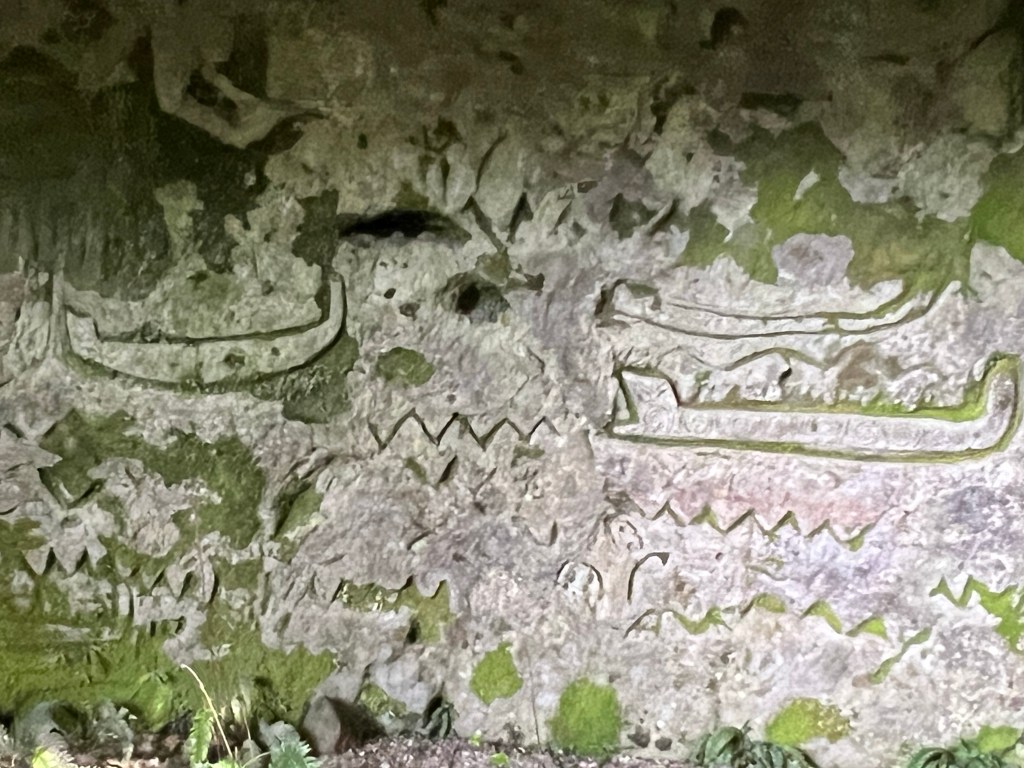
As Ena passionately shared this story with us, she showed us the rock carvings that visually told their story. These carvings have been dated to 1050 AD and are not art, she says. They tell the story of her ancestors. Carvings of canoes. Long canoes. Their story of grief. Of life.

Fast forward hundreds of years. In the 1900’s, the Maori economy was booming as they had the largest planted forest in the southern hemisphere where pine trees grew twice as fast due to the volcanic soil. However in the 1960’s, the government wrongfully sold their land and trees to overseas control. Then in the 1980’s, mechanized forestry caused huge unemployment and their economy crashed, leaving them to face some pretty hard realities such as gangs, drugs, and high levels of suicide rates and abuse. Murupara was not the place you wanted to be.

“But that is changing. Change is always possible”.

-Ena

Ena stated these words with pride, as she toured us around her hometown.

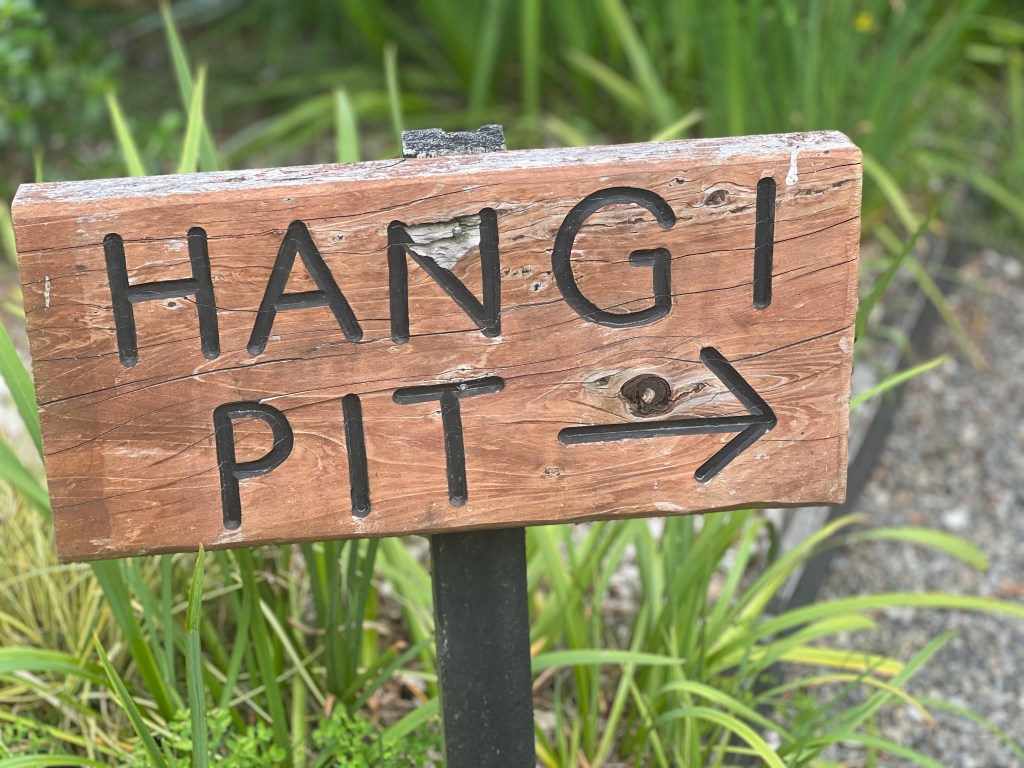
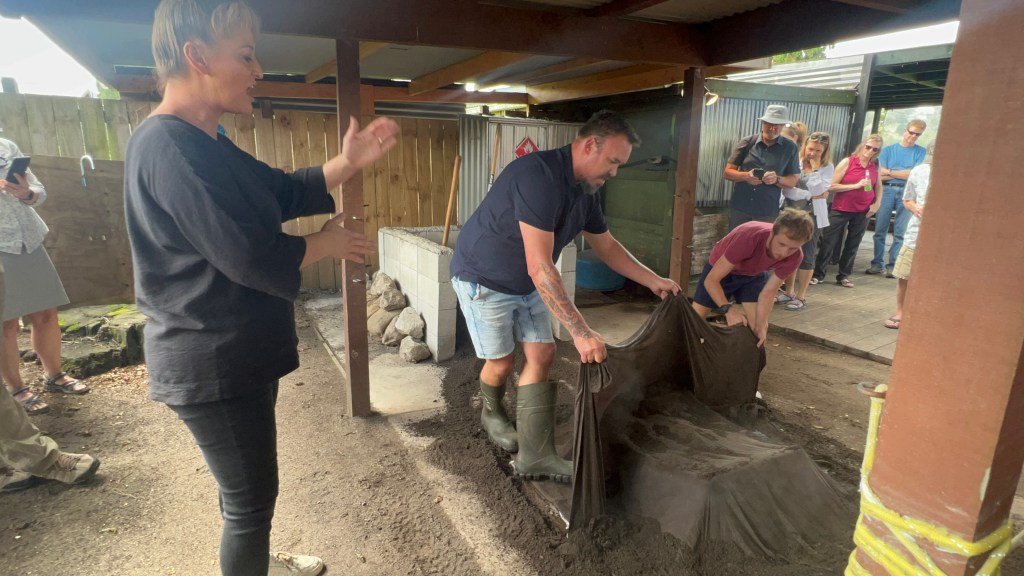
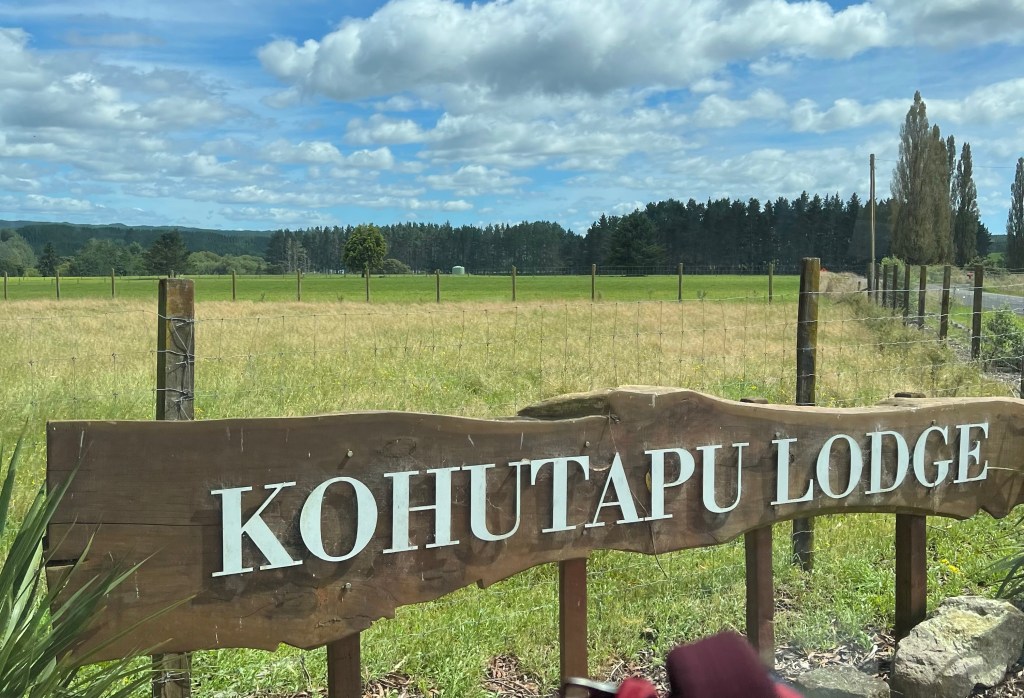
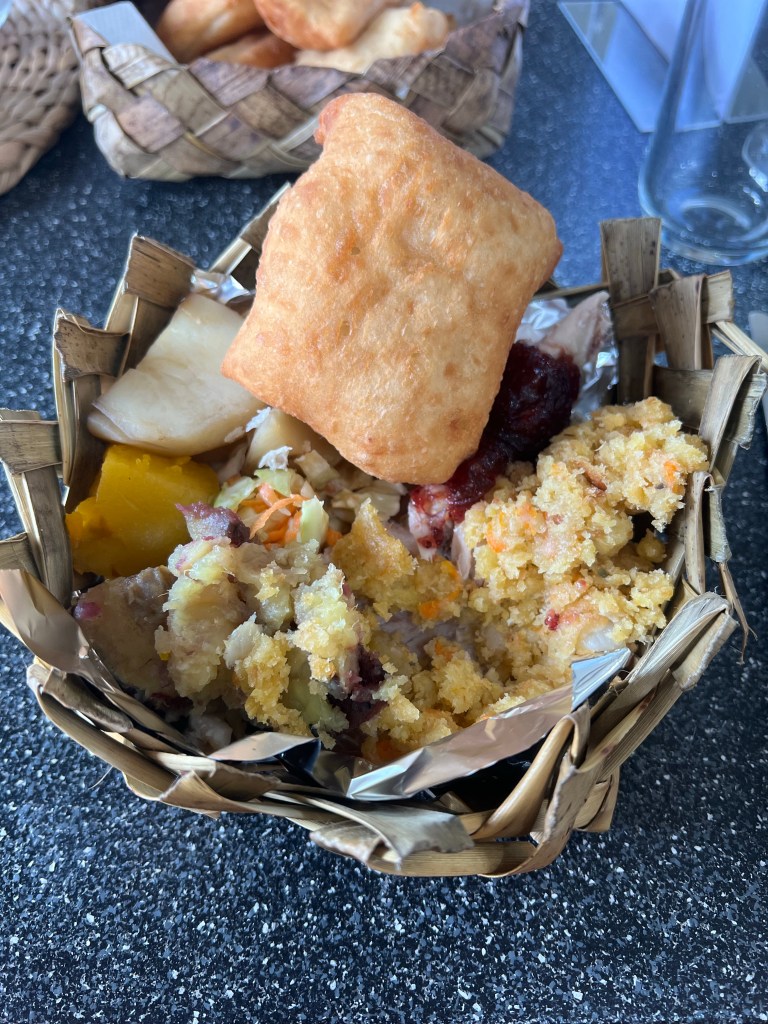
We pulled up in our bus to the Kohutapu Lodge, where Nadine and her family welcomed us with smiles and open arms to their home. They had been preparing since early morning a traditional Māori lunch called a Hangi, where food is cooked for hours in the ground.

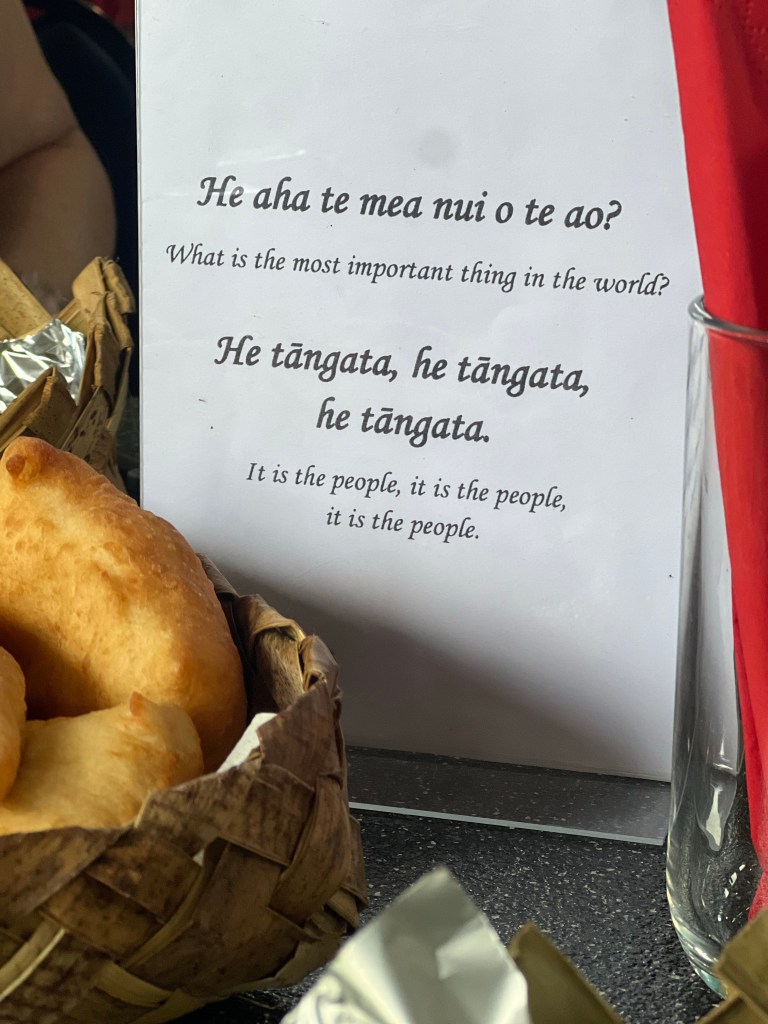
Our welcome as we sat down at our table

After lunch, Nadine invited us to gather around to hear more of their Story. We learned about Haka and soaked in the Māori Haka as Ena expressively shared that with us. Nadine and her husband gave up everything 9 years ago when they felt called to make a change in their community through tourism. Through the leftover Hangi meals, as buses upon buses came through to their lodge, they were able to feed over 30,000 meals to children in their community. But Covid brought them to their knees. How could they continue to make change in their community, with no tourists?

They needed to adapt. With government financial support, they developed programs to support local youth, which resulted in an 86% success rate. They now provide full academic scholarships to students, for their learning abroad and for students to come to them to learn about Māori people. Nadine shared with tears in her eyes that their family tourism experience won the top tourism award in New Zealand and the award for community engagement. Little by little, change was happening and we as tourists, played a part in making that change.

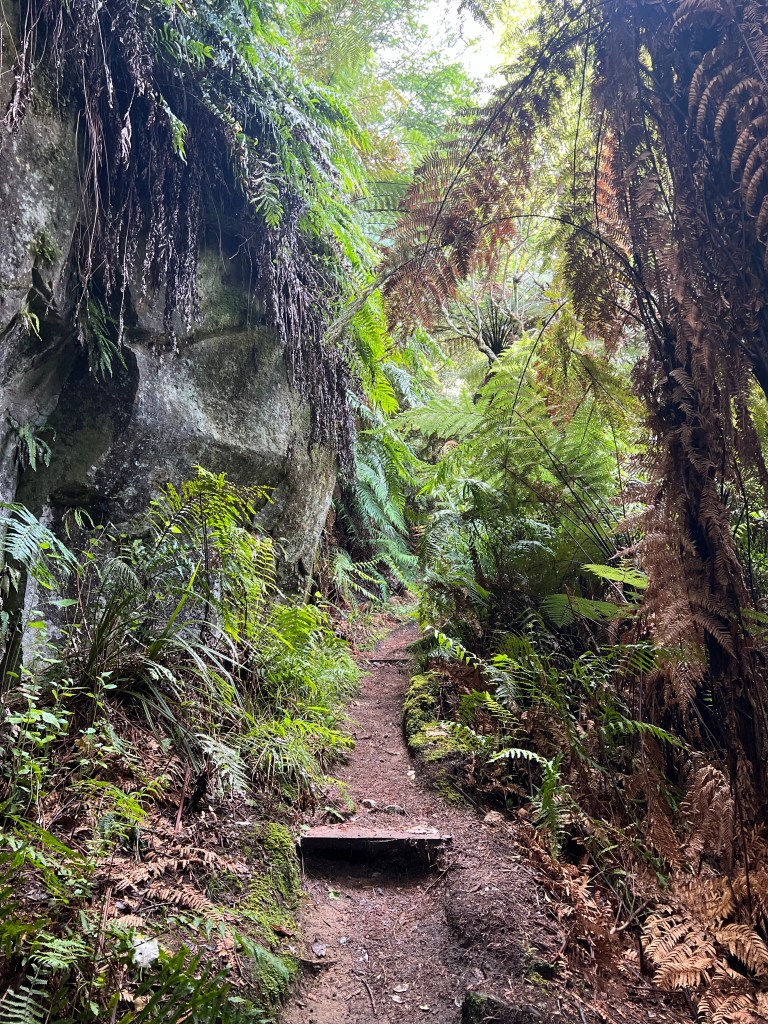
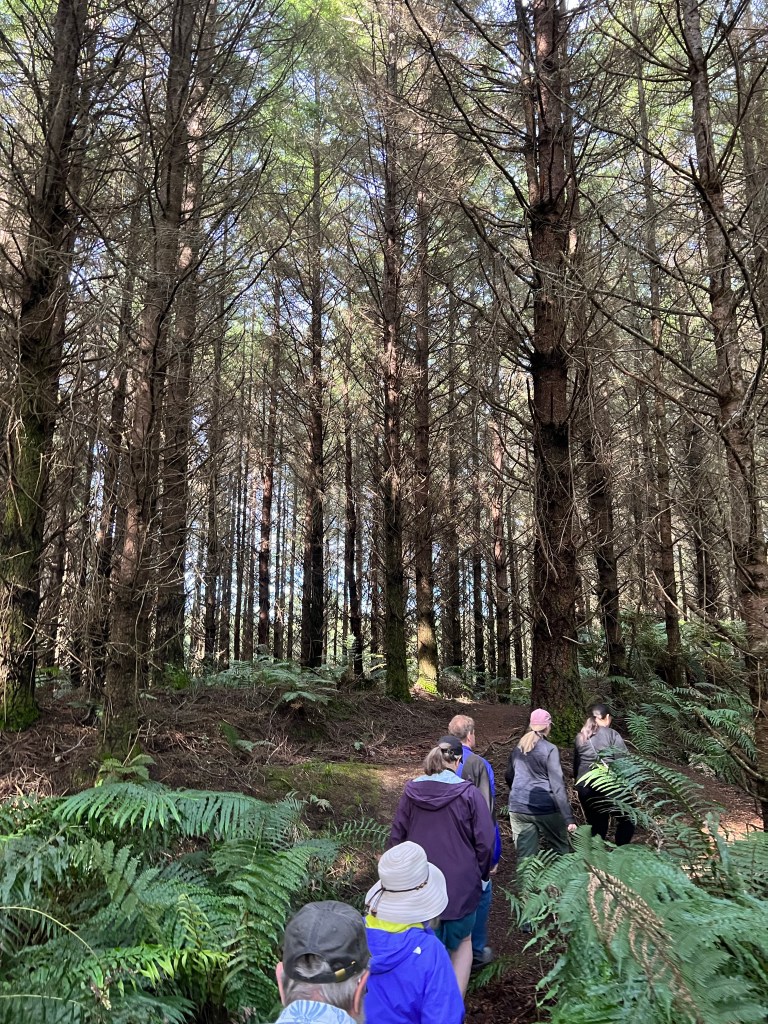
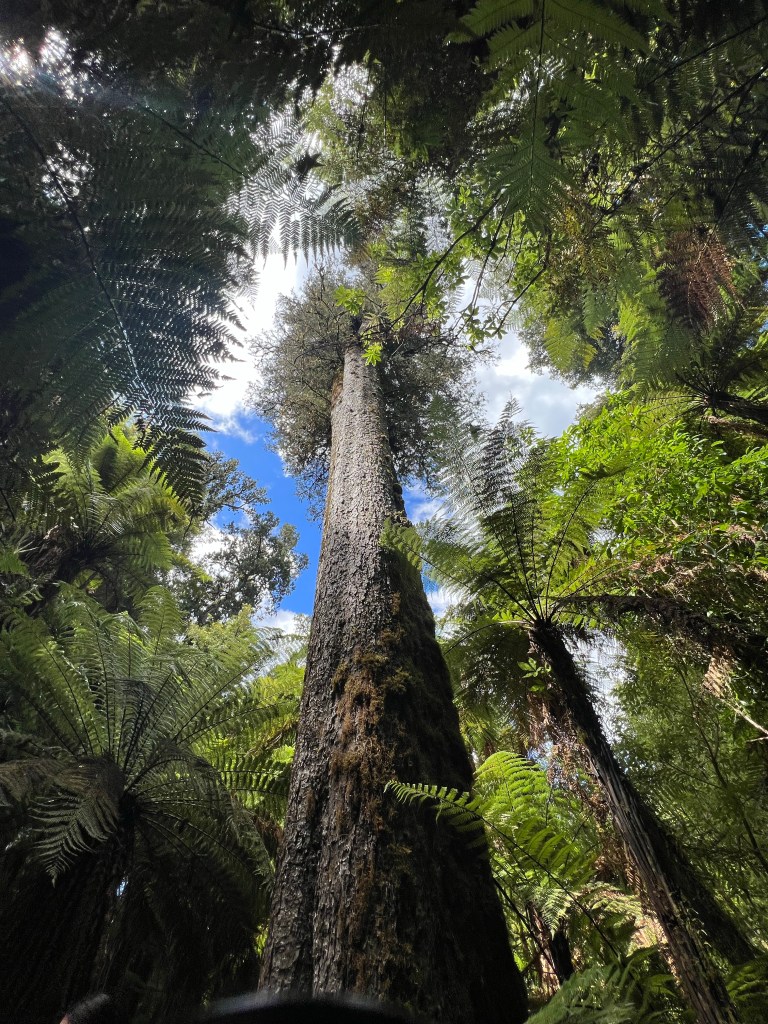
Our day with Ena came to a close when we went to go on a walk through the bush, their sacred forest. Before we walked in the forest, she said a beautiful Mihi (acknowledgement) in Māori, asking for permission for us to enter Her forest. We promised to not take or hurt anything. We were just there to look and then we would leave, leaving Her forest and inhabitants unharmed.

Walking through the forest was an experience like no other. The Forest, she inhaled and exhaled as we walked through. You could feel Her harmony. Her sacredness. To Her we gave Her our respect.

Ena, Nadine, and their family had shared with us their Story. Their collective Story. Their Story that has been told for over a thousand years.

One of our tour participants reflected how different this is compared to North American white culture. We do not know the stories of our ancestors from 1000 years ago. I barely know the stories of my grandparents. Such a loss in our culture.

If we could only go back and ask:
“Tell me our Story”.

A 20 kg Speed Bump

My 20 kg speed bump that forced me to align on what is important and is helping free me for embraces to come.

Today begins an amazing adventure. An adventure that is behind my wildest dreams. When I have tried to wrap my mind around all that is to come, I come up blank.

I am leaving today to meet my college roommate (from almost 30 years ago) in New Zealand where we are set to explore the amazing wonders of life “down under”. I know I am blessed beyond belief to be able to do this. I have felt guilty. I have felt that I should not have this opportunity when my family is staying here. I have felt like a month is too long to be gone from my family.

Until I hit this 20 kg speed bump. Then my focus was diverted elsewhere. Twenty kilograms. That is the weight limit that our checked bags need to be for domestic travel in Australia. From someone who prides herself on being the mom that has exactly what you need when you need it, 20 kg for a month is not a lot. This has consumed my brain the last week.

This 20 kg limit has stretched me. It has challenged me to really prioritize what I need for the coming weeks. I know I don’t have everything I want. I don’t even have everything that I probably will need.

But I have this opportunity. This time. These world wonders to embrace. Time with my dear friend and time with precious people I have even yet to meet.

If my luggage limit would have been 23 kg, I would have stressed about meeting that limit, and I would have then been burdened with lugging around that many more extra unnecessary items.

Here is to embracing wonders down under, a little lighter for the journey.

Lighter so I can have room to soak in and embrace all that is to come.

A Little Assistance

Hiking sticks are “a thing” in Germany. People use them on walks through town. In the park. And surely for hiking through the forest. Many seniors walk with them, but it is common to see people of all ages walking with them.

Over the past few months, I repeatedly mentioned to my husband that I really wanted hiking sticks. Embrace Germany, right? My ankles are not the best. I am not known for being accident-free. They must help, right? How could so many Germans be wrong? So he gave me a wonderful pair for Christmas, supporting me in my new unexplored passion for hiking sticks.

I finally was able to take them for a test drive today with him and the dogs in the forest and the “mountains” behind our house. Wow! I cannot believe how two sticks could make my walking so much easier, more stable and secure, and ultimately, more enjoyable.

If you would have suggested a year ago in the US that I should use hiking sticks to enjoy the outdoors more, I would have scoffed and said that I am perfectly fine as I am. I don’t need sticks to help me hike.

But I reflected today while admiring the purple and pink sunset beams casting shadows on the snow-laden pine trees. All of this was made easier to enjoy with these sticks.

I am not growing younger.

It is not going to get easier.

It is up to me to adapt.

I should embrace the things that enable me to embrace the joys of life more.

So here is to discovering hiking sticks!

A new perspective

If I had not turned my head and opened my eyes, I would not have seen the stunning beauty right by my feet. All I needed was a change of perspective as I began to embrace the second half of my life…

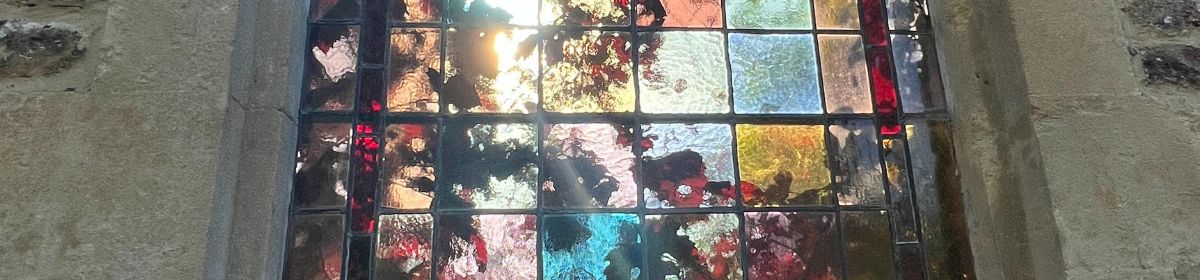
I was in total awe as I absorbed the radiant, rainbow-colored stained glass at Gaudi’s Sagrada Família, the largest unfinished Catholic church in the world, located in Barcelona, Spain. Our family visited Barcelona in December of 2022 to spend precious time together over the holidays and to see some sun! Germany is not known for sun in the winter, as we are quickly discovering here in our first six months of living abroad in Germany.

I had never seen any stained glass like this before, as the rainbows filled up the entirety of the space, from reflections on the walls to the organ pipes. But as I looked down on the floor, I noticed how the reflection of these brilliant colors was just as stunning right on the floor.

If I had not turned my head and opened my eyes, I would not have seen the stunning beauty right by my feet.

Two of our children are off to college in the US and one is to set to fly the coop in a few years. It would be easy for me to view this ’empty nest’ change as a loss. A loss of not being as physically present in our children’s lives. A loss of grieving less laughter and family fun. A loss of not knowing ‘what is next’ or ‘what is my purpose’. A loss of the time yet remaining on this earth.

I do not know whether tomorrow or 30 years from now will be my final breath here on earth. However, I am learning that this is a great big world filled with so many wonders, from people to places, all new to me. I need to look down and see the beautiful reflection on the floor right in front of me.

It is time for me to embrace this new second half of life.

Embrace all the amazingness, from the ordinary days to the extraordinary. Embrace getting out of my comfort zone. Embrace the brilliant colors that lie before me. Let’s embrace the colors before us together.